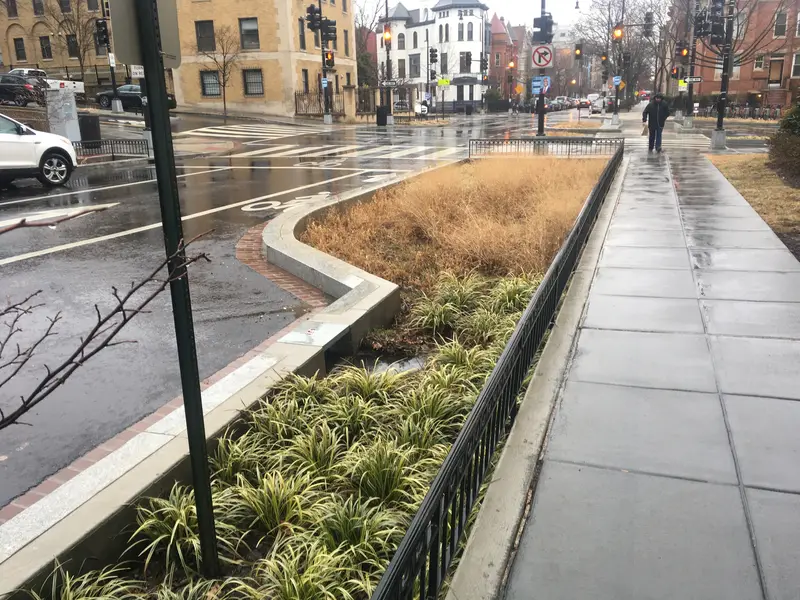
NOAA’s winter outlook leans wetter than normal for Northwest Arkansas, which could help the drought. In the three strongest El Niño winters on record, Fayetteville got well above normal rain and little snow, but weaker ones went every which way.
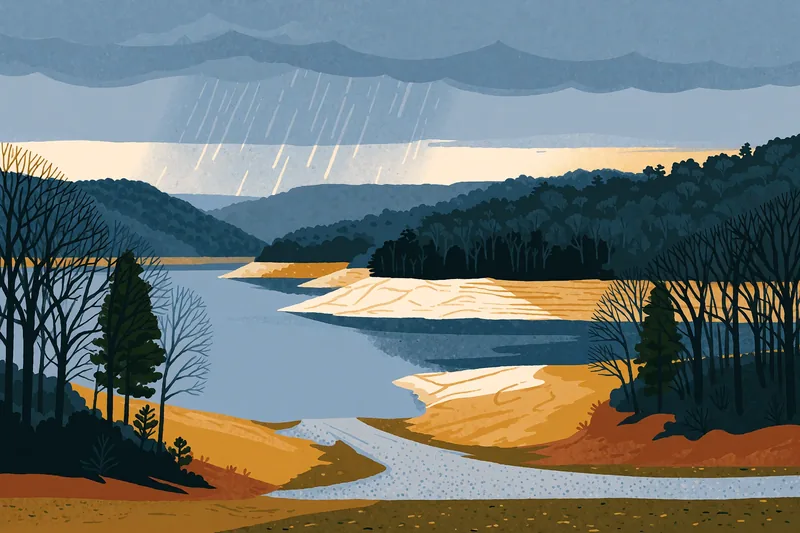
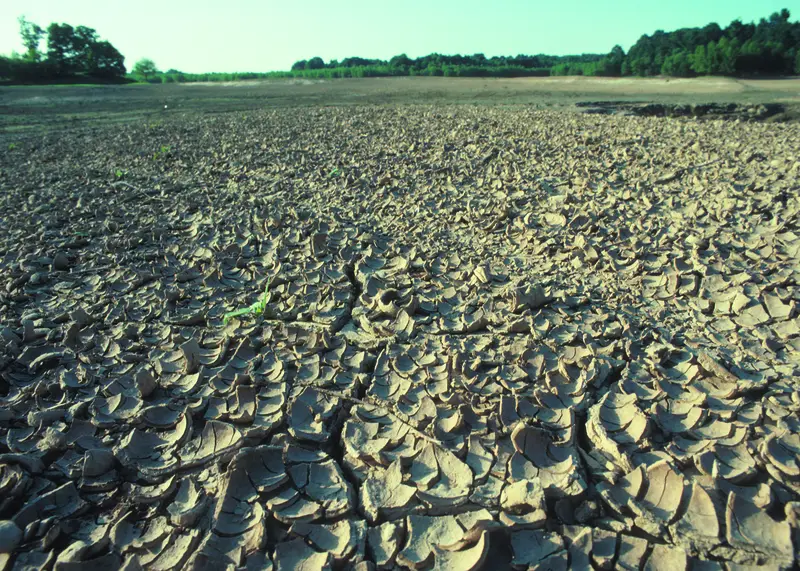
Drake Field recorded only a trace, and the region’s other airport weather stations recorded none. Exceptional drought spread on this week’s map, Beaver Lake slipped again, and the best chance of rain in weeks, Saturday night, may bring only a little.
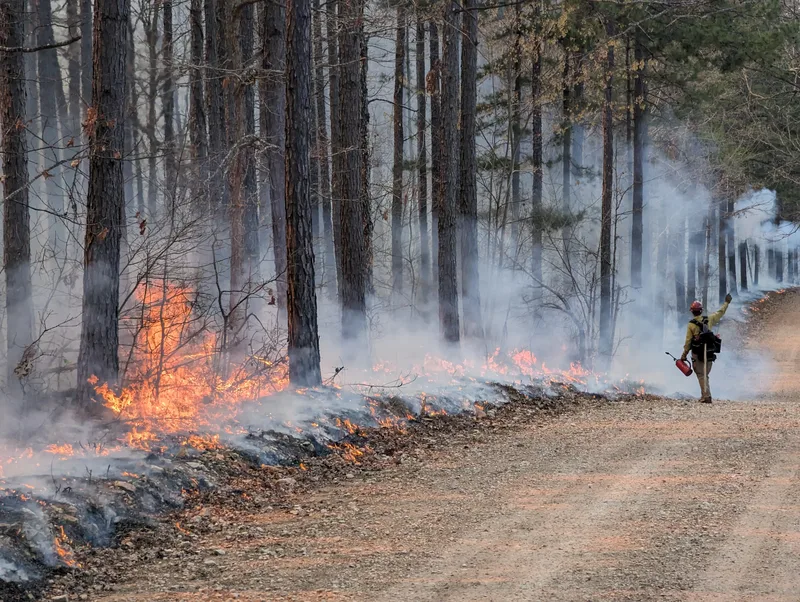
Twenty-seven Arkansas counties are under burn bans, all in the central and southern part of the state. Rain in late October and early November kept fire danger in Benton and Washington counties moderate, but forestry experts still urge caution with dry leaves.
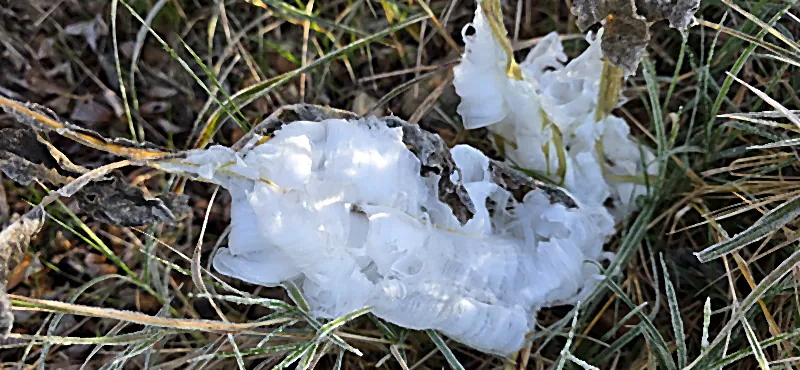
They look like spilled tissue paper or ribbon candy, and they melt by mid-morning. Frost flowers aren’t frost at all: the ice grows out of the stems of a few plants, frostweed above all, on the first hard freezes of fall.
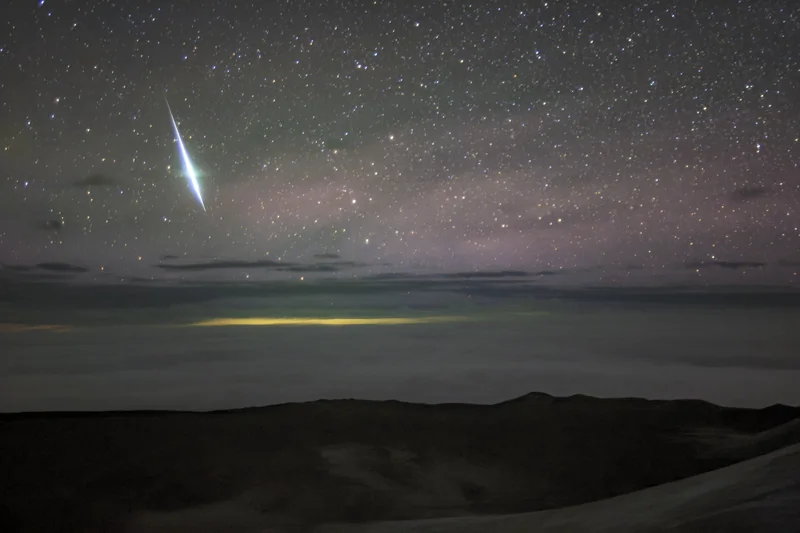
The year’s best meteor shower, the Geminids, peaks Dec. 13–14 under a mostly dark sky, and the speedy Leonids come first. Where meteors come from, why the hours before dawn bring the most, and how to watch from the Ozarks.
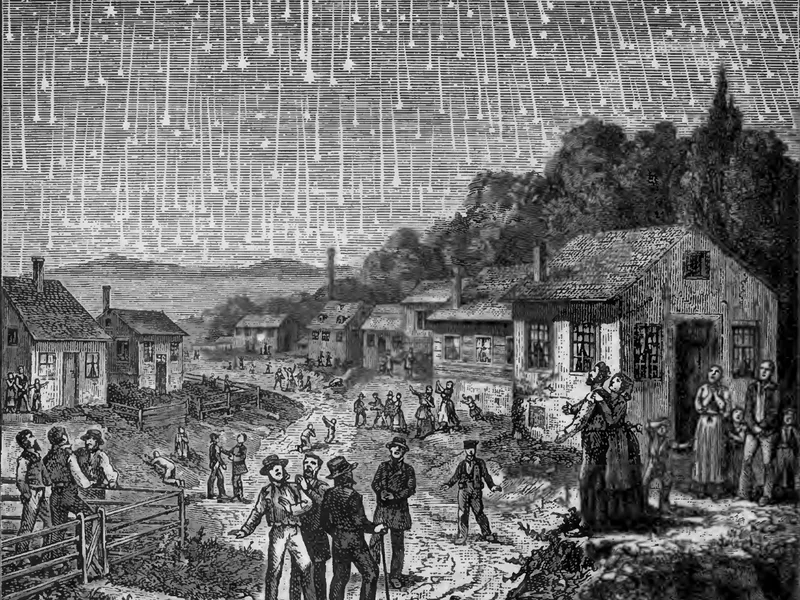
The Leonid storm of 1833 was so bright that a Kiowa camp in Oklahoma dated its history from it. Arkansas has 15 known meteorites, including one that fell at Fayetteville in 1934 and an 800-pound stone that woke Paragould in 1930.
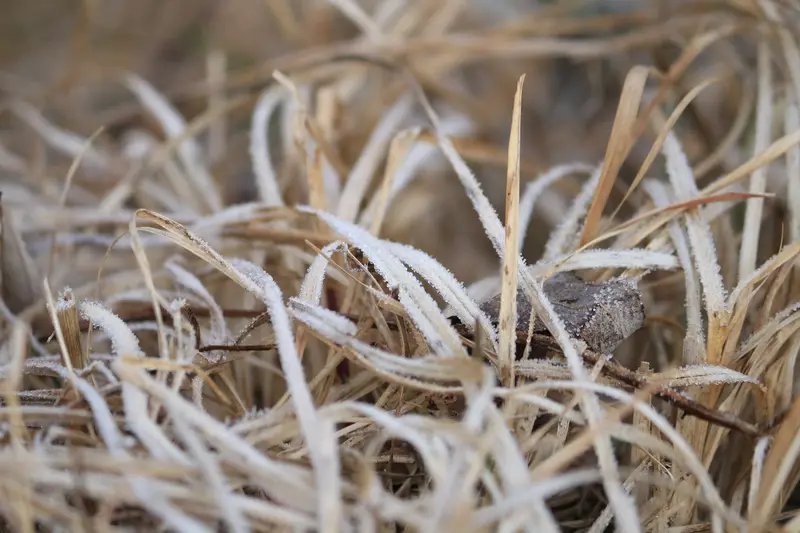
Friday brought Northwest Arkansas its hardest freeze so far this season, about two weeks later than usual. Forecasters expect frost and freezing temperatures again Saturday morning, a chance of rain Sunday, and a warmer week after that.
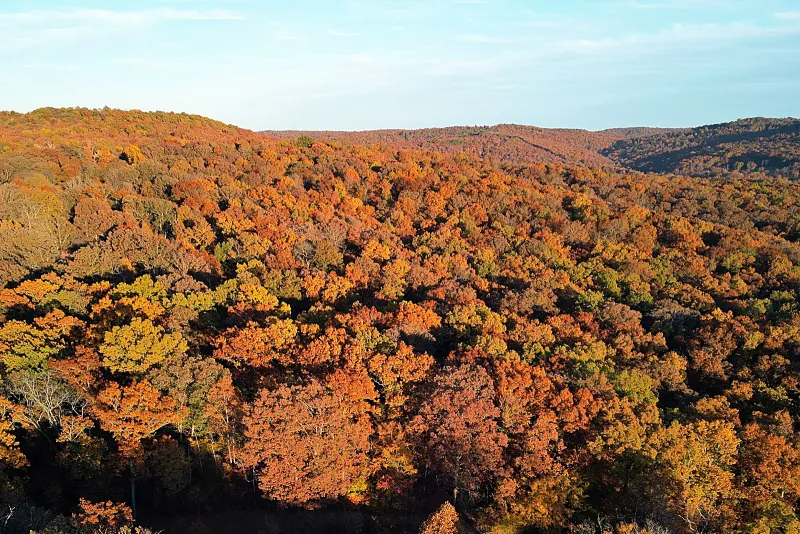
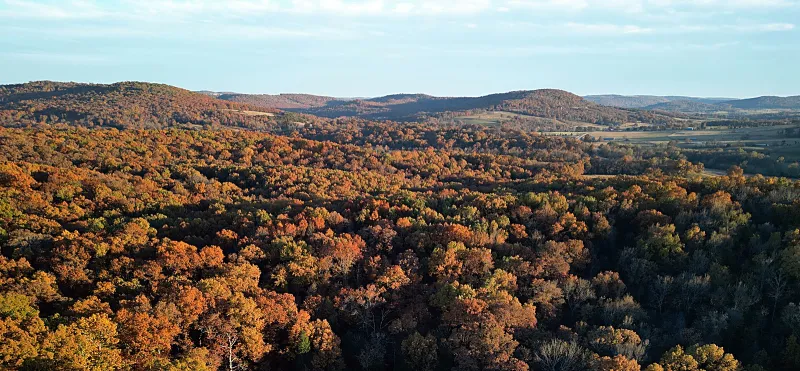
Fall color is a tree packing up for winter. Longer nights start it, sunshine and cool nights paint the reds, and drought, rain and a hard freeze can speed it up or wash it out. Here is what is happening inside the leaves, tree by tree.
Fall color starts in the Rockies and the Great Lakes in late September and reaches Arkansas, Texas and Alabama in late October and November. A map and calendar of typical peak weeks, and 20 places in Arkansas and Missouri to see the leaves.
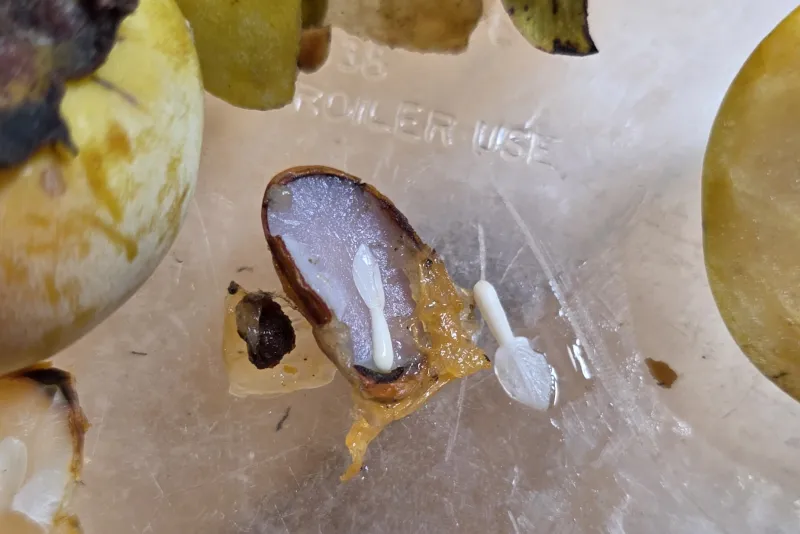
Split a persimmon seed and a little white shape is said to tell the coming winter. Here is what it really is, why a persimmon doesn’t need a frost, and how a pucker-making fruit ended up in puddings, beer and golf clubs.
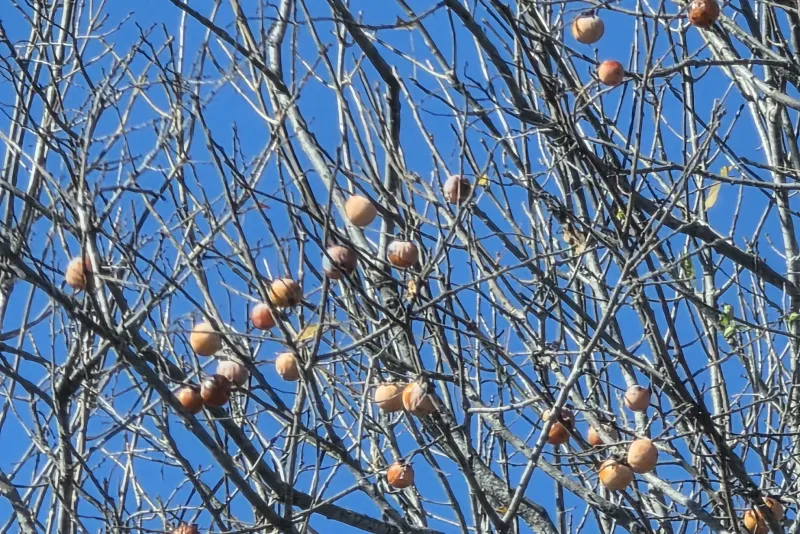
Few persimmon trees in Northwest Arkansas carried fruit this fall. Science points to male and female trees, two-year cycles and a record-hot drought year, and to a slower change in the land that may be leaving fewer trees.
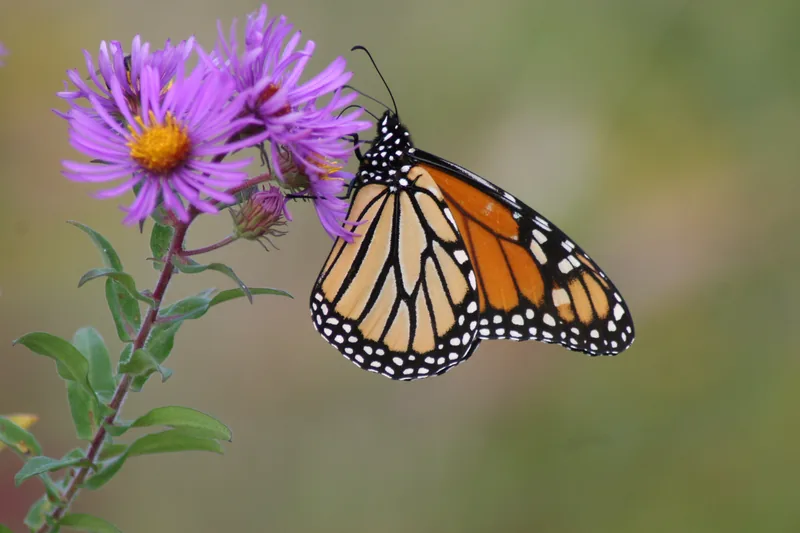
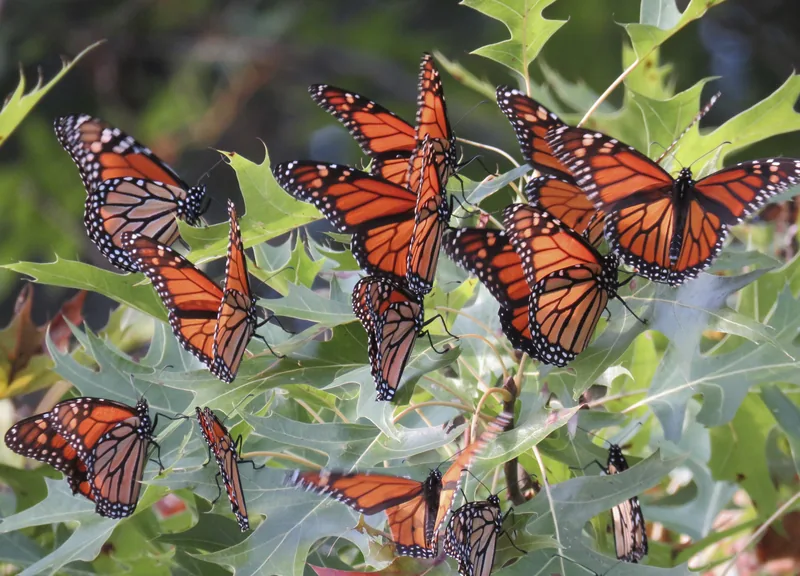
Monarch butterflies bound for the mountains of Mexico, hummingbirds that may cross the Gulf of Mexico without a rest, and millions of birds flying over at night: the fall migration is passing right over our heads.
No monarch has made the trip before, yet each fall millions reach the same mountain forests. Scientists have worked out much of how they do it, and how many make it.
Part of Benton County is in the worst category on the national drought map for the first time since 2012, and Beaver Lake is at its lowest level since 2017. The rain that did fall landed unevenly.
The state has not named a cause for the dissolved solids in the lower river. Federal guidance suggests a cleanup plan within 8 to 13 years, and there are other routes.