SundayNovember 22, 2026Sunrise tomorrow 7:01 a.m.Updated Nov. 21

Serving Northwest Arkansas and the Ozarks

NWA NEWSNWANEWS.FYITHE OZARKS NEWS

News from the hills and valleys we call home

Fayetteville45° ClearWind N 5 mph · Low 30°Monday: Sunny, high 52°

The wire

Backyard bugs of the Ozarks

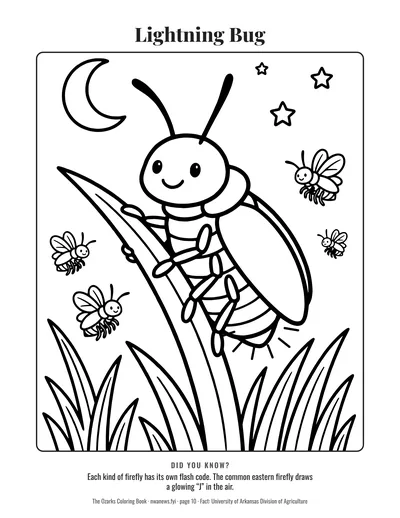
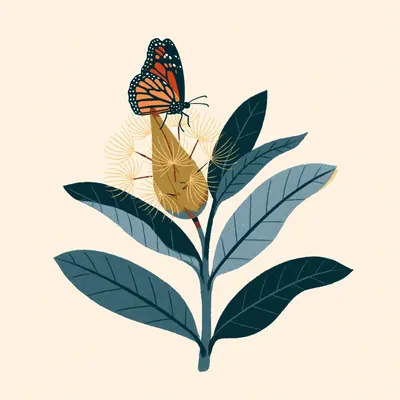
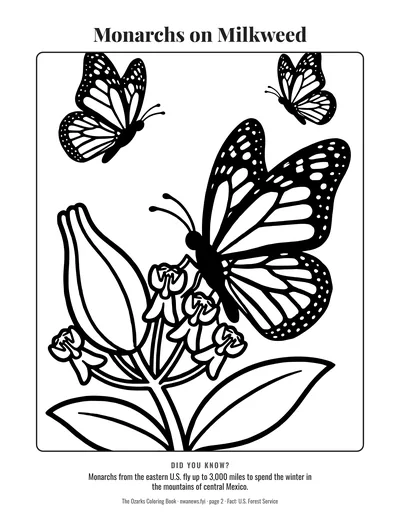
Eight bugs you are likely to meet in a Northwest Arkansas yard, each with our drawing, a real photo and a few things worth knowing, from university entomologists and conservation scientists. Tap a photo to see it big. Kids: the woolly bear, monarch and lightning bug are also in our free Ozarks Coloring Book.

Woolly bear

Pyrrharctia isabella, the caterpillar of the Isabella tiger moth

When to look: Fall, when the caterpillars wander across roads and yards looking for a log or rock to spend the winter under. They are found all across Arkansas. University of Arkansas Arthropod Museum

  • Folklore says a narrow rusty band means a hard winter. Scientists say the band says more about the weather the caterpillar already lived through, and the black ends shrink each time it molts as it grows. University of Missouri Extension
  • It makes its own antifreeze, glycerol, so it can freeze solid over the winter while the inside of its cells stays unfrozen. University of Missouri Extension
  • Bother one and it rolls into a fuzzy ball. In spring it spins a cocoon out of its own hairs and comes out as an orange-tan moth. Missouri Department of Conservation

What you can do: Let it keep walking; it is looking for a place to spend the winter. If kids pick one up, wash hands afterward, since a few people get a rash from the hairs. Missouri Department of Conservation

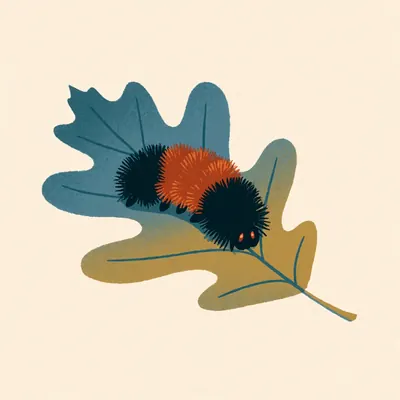
Color this one! “Woolly Bear on an Oak Leaf” is a page in our free Ozarks Coloring Book. Print the page
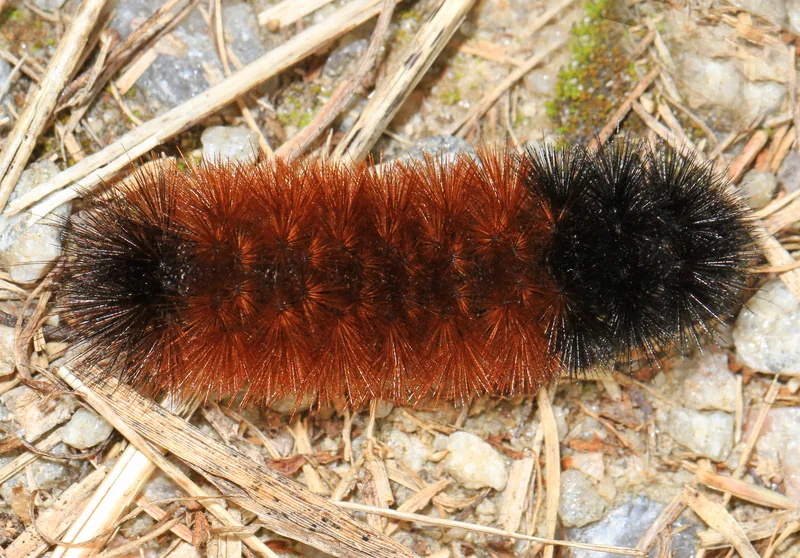

A fuzzy caterpillar with black ends and a wide rusty-orange middle band crawls over gravel and twigs.
A banded woolly bear in Virginia. Photo: Judy Gallagher, CC BY 2.0

Lady beetles (ladybugs)

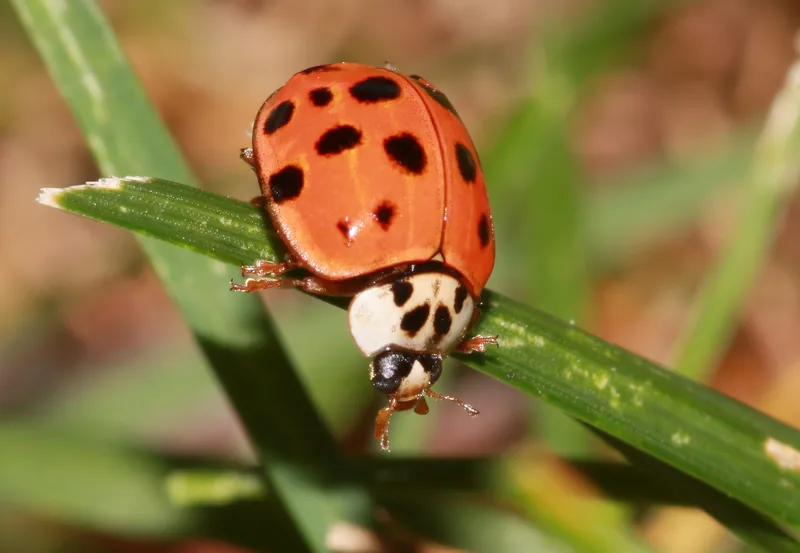
Many native kinds, plus the multicolored Asian lady beetle, Harmonia axyridis

When to look: Spring through fall in gardens and fields. On sunny fall afternoons the Asian lady beetle gathers on the sunny sides of houses, looking for a place to spend the winter. University of Arkansas Division of Agriculture

  • The ones that pile up in houses each fall are usually multicolored Asian lady beetles. Look for a black “M” on the white patch behind the head (a “W” from behind). Their color runs from yellow to red, with anywhere from no spots to 18. Penn State Extension
  • They end up inside by mistake. A warm room warms the walls, and the beetles crawl toward the warmth thinking they are heading outdoors. University of Arkansas Division of Agriculture
  • They earn their keep in the garden. The native convergent lady beetle eats dozens of aphids a day, and its larvae, which look like tiny alligators, eat them too. University of California IPM
  • Store-bought ladybugs are usually gathered from wild winter clusters, and most fly away within a day or two of being let go, even with plenty of aphids around. University of California IPM

What you can do: Don’t swat them indoors: a crushed Asian lady beetle gives off a smelly yellow liquid that can stain walls and carpet. Vacuum them up and empty the bag outside, and seal cracks before fall. Spraying indoors isn’t recommended. University of Arkansas Division of Agriculture

An orange lady beetle with black spots on a grass blade; the white area behind its head shows a black M shape.
A multicolored Asian lady beetle. The black “M” behind the head is the giveaway. Photo: ImagePerson, CC BY 4.0

Fireflies (lightning bugs)

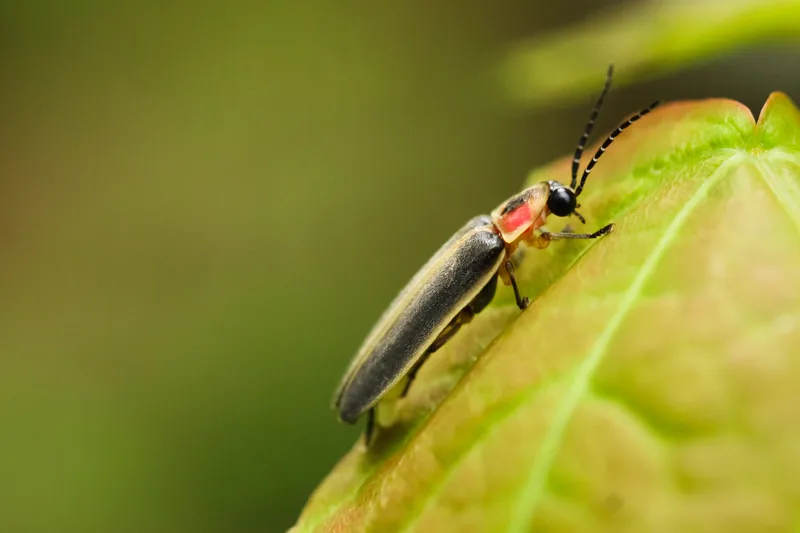
The common eastern firefly, Photinus pyralis, and its relatives

When to look: Late spring and summer evenings over pastures, old fields, yards, woods edges and along streams. Missouri Department of Conservation

What you can do: Turn off or dim outdoor lights at night (or use timers, motion sensors or amber bulbs), and leave some leaf litter and old logs where the larvae live. LSU AgCenter

Color this one! “Lightning Bug” is a page in our free Ozarks Coloring Book. Print the page
A slim dark beetle with a pink-and-yellow head shield climbs onto a sunlit leaf.
A common eastern firefly by day. Photo: Celari817, CC BY 4.0

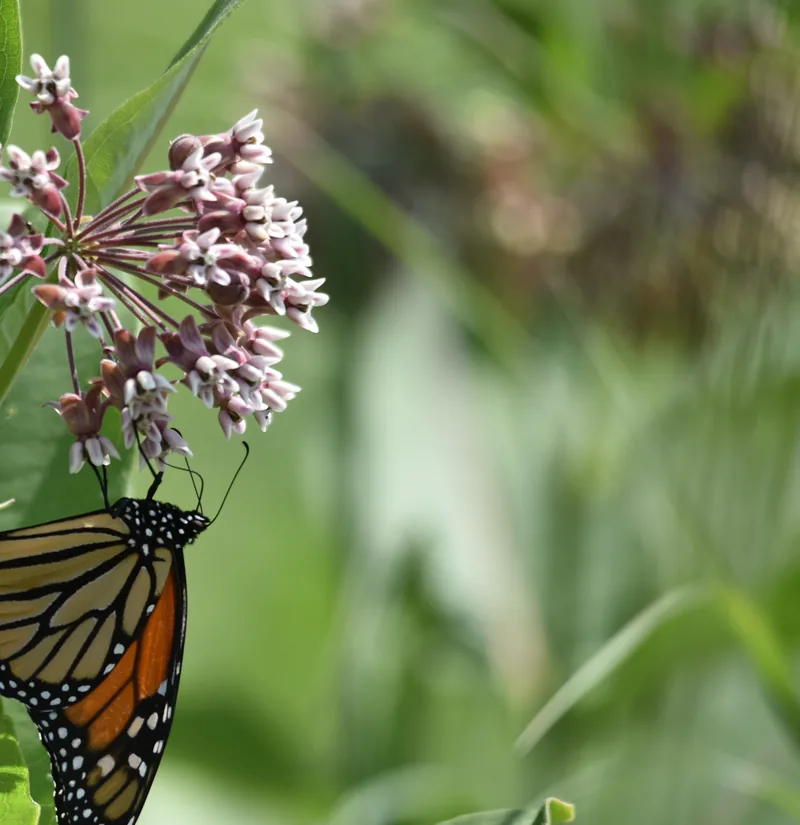
Monarch butterfly

Danaus plexippus

When to look: Arkansas is part of the monarch’s spring and fall breeding area along its migration route, so look for them in fields, roadsides and gardens on the way north and again on the way south. University of Arkansas Division of Agriculture

What you can do: Plant native milkweed for the caterpillars and late-blooming native flowers to fuel the fall migrants. University of Arkansas Division of Agriculture

Color this one! “Monarchs on Milkweed” is a page in our free Ozarks Coloring Book. Print the page

A monarch butterfly with folded orange-and-black wings hangs from a cluster of pink milkweed flowers.
A monarch drinking from common milkweed. Photo: Courtney Celley/USFWS (public domain)

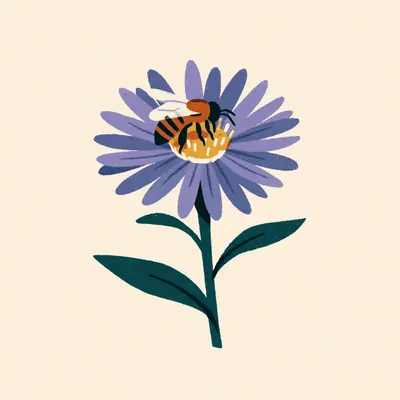
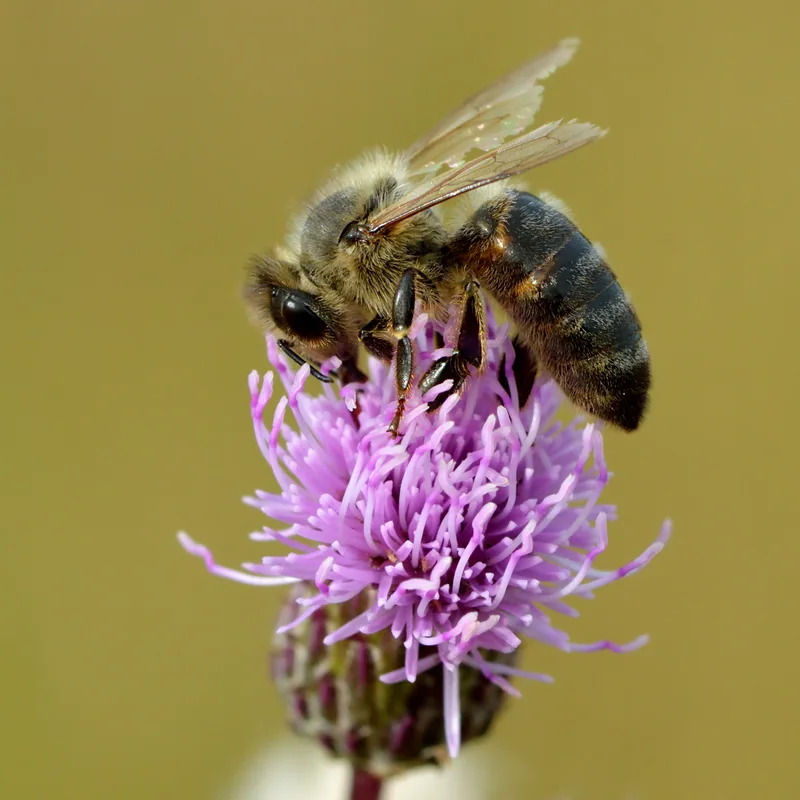
Honey bee

Apis mellifera

When to look: Any warm day on flowers, spring through fall. Swarms are most common from mid-April to mid-May. University of Arkansas Division of Agriculture

What you can do: See a swarm? Don’t spray it, hose it or throw things at it. Call your county Extension office or the Arkansas Beekeepers Association, and a beekeeper may come collect it. University of Arkansas Division of Agriculture

A honey bee with folded wings gathers from a purple thistle flower.
A honey bee on a thistle. Photo: Ivar Leidus, CC BY-SA 4.0

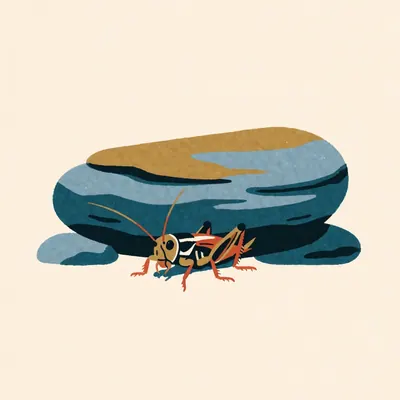
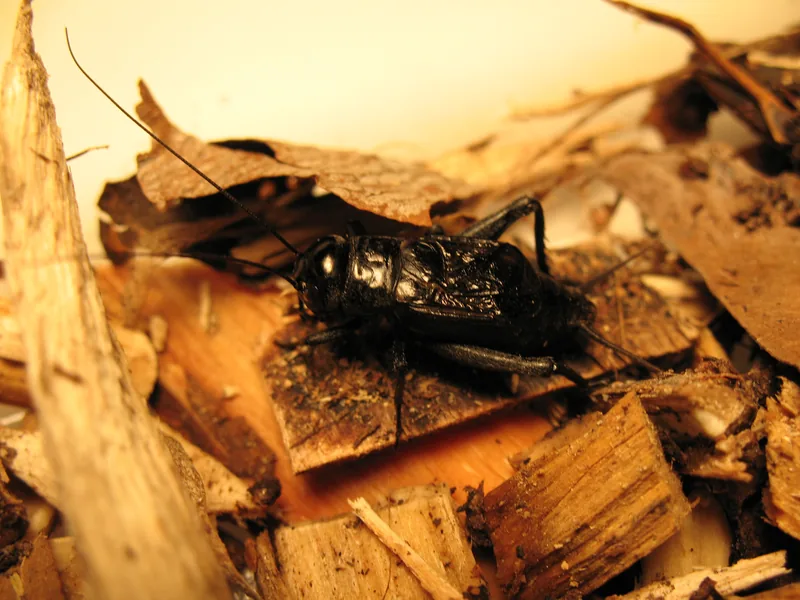
Field cricket

Gryllus species, such as the fall field cricket, Gryllus pennsylvanicus

When to look: Late summer and fall nights in lawns, fields, pastures and roadsides. The fall field cricket spends the winter as eggs and is most common in the fall. University of Florida, Singing Insects of North America

  • Only the males chirp. They rub rough edges of their wings together and hold the wings up so they ring like the body of a violin. Missouri Department of Conservation
  • The long “needle” on a female’s tail is harmless. It is how she lays her eggs in the soil. Missouri Department of Conservation
  • The cricket thermometer is real, but it belongs to a different cricket. Count chirps for 15 seconds and add 40 to estimate the temperature in Fahrenheit. That rule, from 1897, is thought to fit the pale green snowy tree cricket. The black field cricket in your lawn gives only a rough guess. NOAA

What you can do: Try it on a warm evening: count chirps at a few different temperatures, graph them and see whether your crickets follow a straight line. NOAA

A shiny black cricket with long antennae sits on wood chips.
A male fall field cricket. Photo: Kevin Judge, CC BY-SA 4.0

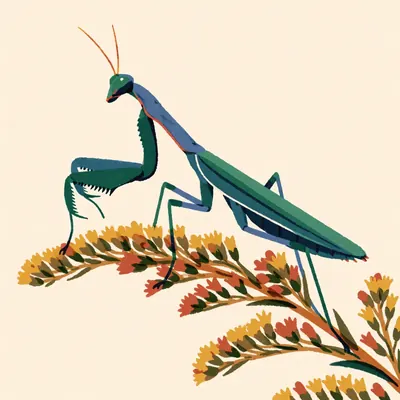
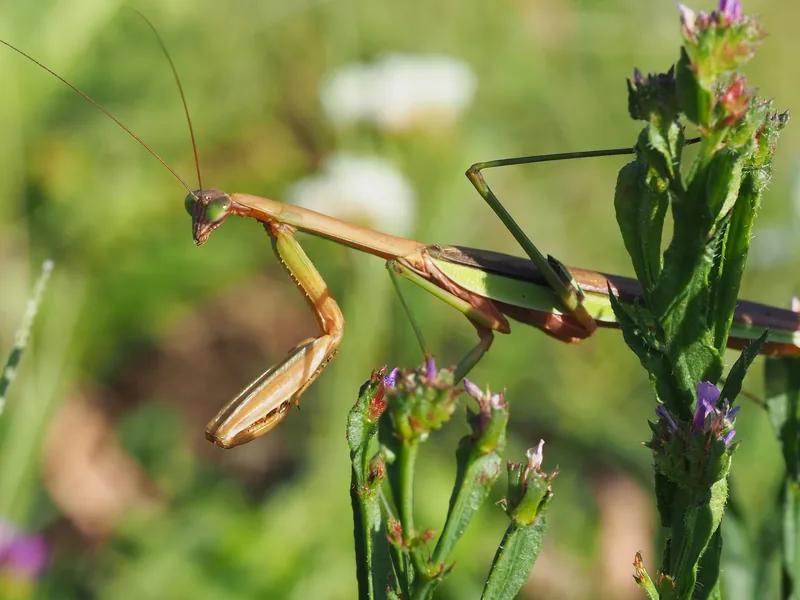
Praying mantis

The native Carolina mantis, Stagmomantis carolina, and the bigger Chinese mantis, Tenodera sinensis

When to look: Mantises hatch in spring, grow all summer and lay their eggs in late summer and fall, then die at the first hard freeze. Look in tall plants, gardens and pastures. Missouri Department of Conservation

What you can do: Don’t bring an egg case indoors for the winter: it will hatch in the warm house, whether you are ready for baby mantises or not. University of Kentucky Entomology

A tan-and-green praying mantis with long folded front legs climbs among small purple wildflowers.
A Chinese mantis, the big mantis most people find in gardens. Photo: Kaldari (public domain, CC0)

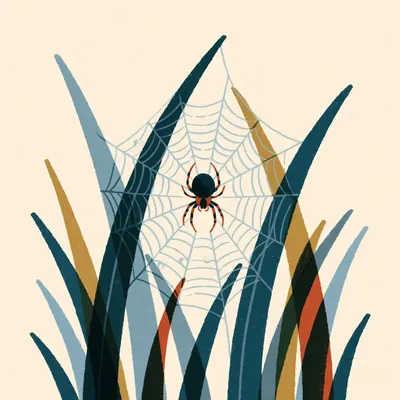
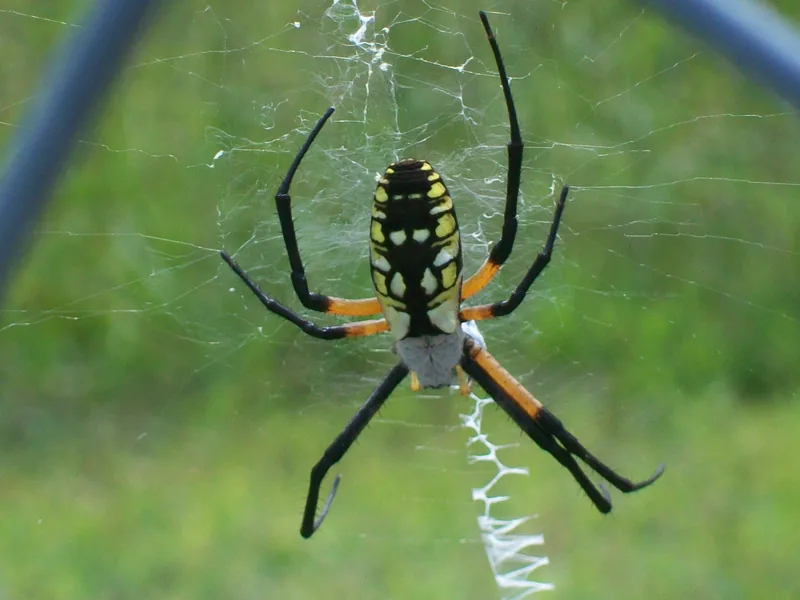
Orb weaver spiders

Such as the yellow garden spider, Argiope aurantia

When to look: Late summer and early fall, when the spiders are full grown and their webs are biggest. Look in sunny gardens, tall grass, weeds and old fields. University of Arkansas Arthropod Museum

What you can do: Let her stay. A garden spider in the tomatoes is, in the conservation department’s words, “a weird little tenant who pays her rent by gobbling up grasshoppers.” Missouri Department of Conservation

A black-and-yellow garden spider hangs head-down in its web above a white zigzag band of silk.
A yellow garden spider with the white zigzag in its web. Photo: AmaryllisGardener, CC BY-SA 3.0

Drawings and illustrations from the NWA News art lab. Photos are public-domain government photos or shared under Creative Commons licenses; tap a photo to see it big, and tap a credit to see the license.

Color them in

Monarchs, a woolly bear and fireflies are waiting in our free Ozarks Coloring Book.

The Ozarks Coloring Book from NWA News: free to print. Print the pages.