What happens now on the Kings River
The state has not named a cause for the dissolved solids in the lower river. Federal guidance suggests a cleanup plan within 8 to 13 years, and there are other routes.
BERRYVILLE, Ark. — Arkansas’ new listing of 19.7 miles of the lower Kings River for total dissolved solids comes with no cleanup order, no firm deadline and no known cause. Instead it starts a slow process that federal guidance says can take as long as 13 years. That process could end in a cleanup plan, in another kind of plan, or in a change to the standard itself.

The Kings has its own mineral limits under the state’s water quality rule: 150 milligrams per liter of total dissolved solids, with 20 milligrams per liter each for chloride and sulfate. An appendix to the rule shows the limits were set by the state in the 1970s. For comparison, the same rule lists 240 milligrams per liter as the reference level for dissolved solids in the least-disturbed streams of the Ozark Highlands and calls those levels the most that occurs naturally. It also says those reference values are not meant to be used to judge whether a stream meets standards.
The 2026 list gives the source of the Kings River listing as “unknown.” In its approval document, the U.S. Environmental Protection Agency says states use that label when the available data do not support naming a cause, and it encourages Arkansas to revisit the question as more data come in. Neither the list nor the state’s 2026 water quality report names a cause for the Kings.
In general, rocks are a natural source. Some sedimentary rocks, such as carbonate rocks, dissolve more easily than others, according to the U.S. Geological Survey. The USGS also says detergents, water softeners, fertilizers, road salt, urban runoff and animal and human waste can add dissolved solids through wastewater, septic systems or land application. The Kings River Watershed Partnership says much the same: dissolved solids reach streams in runoff from fields, ditches, parking lots and lawns, and in wastewater from treatment plants and home septic systems. The partnership says levels stay higher downstream because Berryville and the rural land around it drain into the lower Kings. Those are general explanations, not findings about this stretch of river.
One permitted discharge sits upstream of the listed stretch. Under its state permit, Berryville’s wastewater treatment plant sends treated water through Mill Branch and Freeman Branch to Osage Creek, which flows into the Kings. The permit, issued in 2016 for a plant designed to treat 2.4 million gallons a day, requires weekly testing for dissolved solids but sets no limit on them. The permit’s fact sheet says the testing was kept to build a database of mineral loads from such discharges. The same reach of the Kings was on the state’s 2008 list for dissolved solids, in a category for waters whose data needed checking, and the fact sheet says the testing would help verify that data. The permit expired in 2021 and remains in effect under administrative continuance, EPA records show. None of the state documents reviewed for this story tie the new listing to the plant.
A listing means a cleanup plan, called a total maximum daily load or TMDL, will eventually be required, whatever the priority, the EPA said in approving Arkansas’ list. The state ranked the Kings entry low. Under the state’s method, a low ranking goes to waters that miss a numeric limit while their assessed uses are judged supported, to waters with too little data for a firm decision about the use, or to waters EPA, but not the state, assessed as impaired. The state does not say which of these applies to the Kings. The method says waters ranked high may be targeted for TMDL work. The state’s report says its current TMDL work focuses on turbidity and on revising older plans.
EPA’s guidance on listing encourages states to finish TMDLs within 8 to 13 years of a water first being listed. The state has two other options. It can move a water to a separate category if other required pollution controls are expected to fix the problem. Or it can adopt what EPA now calls an advance restoration plan, a near-term plan with a schedule and milestones; EPA says waters with such plans stay on the list and still need TMDLs. Arkansas added no waters to its advance-plan category in 2026. Fifteen listings in 13 stretches of water are in that category statewide.
The standard itself could also change. The state’s rule allows site-specific limits and lets a designated use be adjusted through a formal use attainability analysis when certain conditions are shown. A 2017 state strategy for minerals set a goal of adopting revised mineral limits into state standards by 2027. It does not say whether the Kings’ limits would change. As the earlier story reported, the EPA has asked the state for more information on its approach to minerals.
The public gets a say at several points. The state updates its impaired-waters list every two years. For the 2026 draft it took comments from Jan. 18 to March 4 and held a hearing Feb. 25 in North Little Rock. The state received two comments, and neither concerned dissolved solids on the Kings. When a new Berryville permit is drafted, it will go to public notice for comment, as the 2016 renewal did. Outside groups can also send monitoring data to the state through an online portal, but the data must meet state rules: a quality assurance plan, lab work by an accredited lab and full details on when and where samples were taken.
Residents can act on some of the general sources the USGS names. EPA advice for septic owners is to have the system inspected at least every three years, have the tank pumped about every three to five years, flush nothing but human waste and toilet paper and keep vehicles off the drainfield. H2Ozarks offers grants and zero-interest loans of up to $30,000 to replace septic systems the Arkansas Department of Health has declared failing. The program’s area is defined by a federal watershed code, 11010001, that the state also assigns to the Kings River’s stretches, so Kings River landowners are eligible. The University of Arkansas Cooperative Extension Service offers free soil testing to Arkansas homeowners and landowners. The partnership, which is working with H2Ozarks to restart its water testing, invites volunteers to train as testers, holds a Bug Kick twice a year and asks people who see pollution or a fish kill to report it to the state first, then tell the partnership.
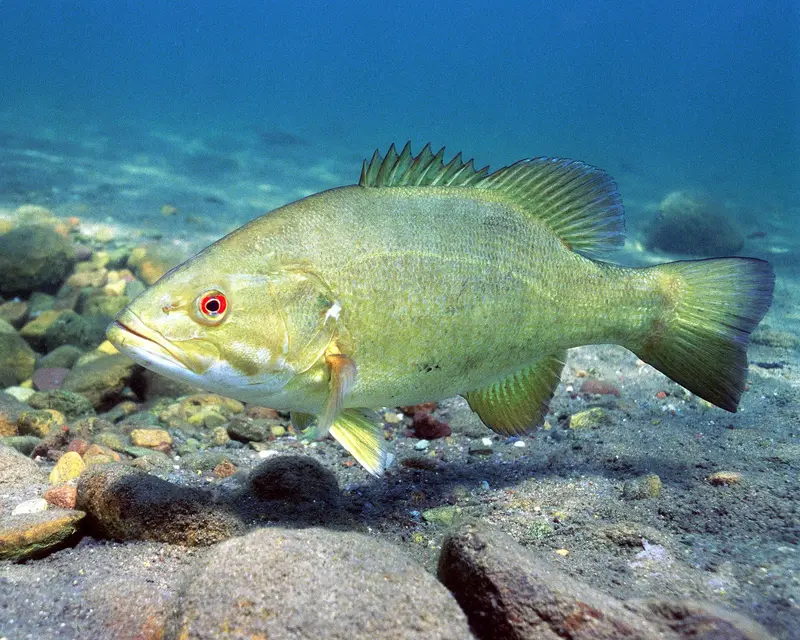
The listing does not cover swimming. It is for the river’s use as habitat for fish and other aquatic life. Under state rules the Kings, like other streams draining more than 10 square miles, is designated for swimming and other full-body contact from April 1 to Oct. 31. None of the river’s three entries on the 2026 list is for that use. The Arkansas Department of Health’s statewide map of fish consumption notices, last updated Aug. 31, 2023, shows none in Carroll or Madison counties.
Spotted a mistake? Tell us. We fix errors in the open, on the corrections page.