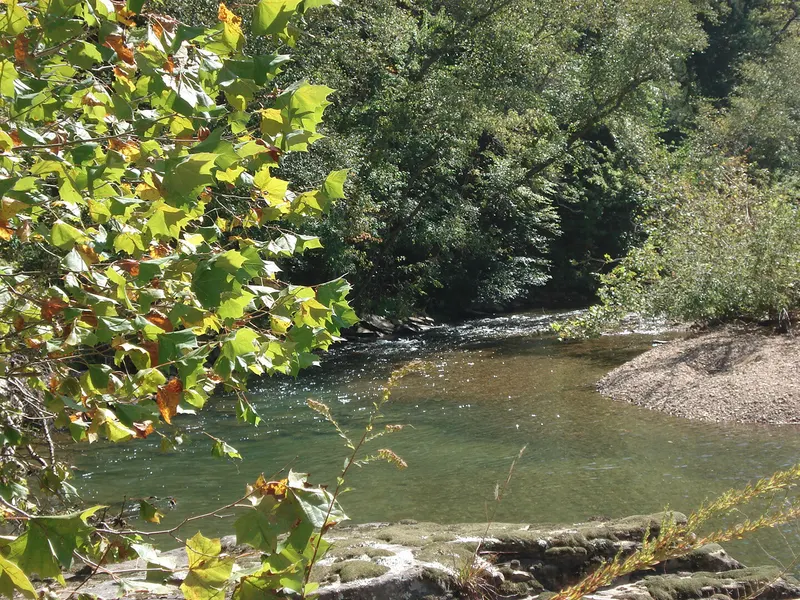
A riffle like the ones volunteers sample during a Bug Kick. Photo: Kings River Watershed Partnership
BERRYVILLE, Ark. — The most recent “Bug Kick” on the middle Kings River produced the highest score the Kings River Watershed Partnership has recorded, the group said.
Twice a year, volunteers stomp the rocks of a riffle for three one-minute sessions, wash the small animals that live there into a net, and sort them by how sensitive they are to pollution. Finding many kinds that need clean water means a healthy stream.
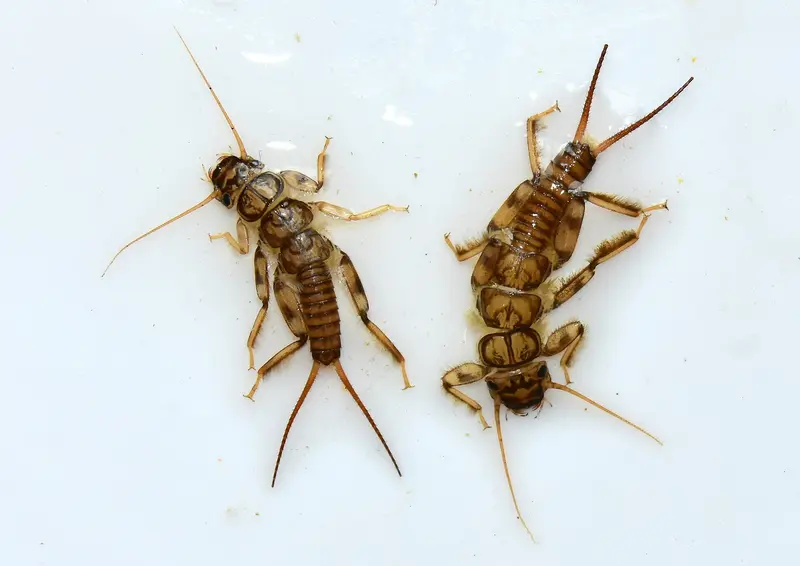
File photo: stonefly nymphs, one of the pollution-sensitive insects volunteers look for when they sort a stream sample. Photo: USFWS photo by Tom Koerner
The partnership also said it has asked H2Ozarks to help restart its water quality monitoring program. Nutrient levels remain low, it said, but total dissolved solids on lower Osage Creek and the lower Kings River are still above state limits.
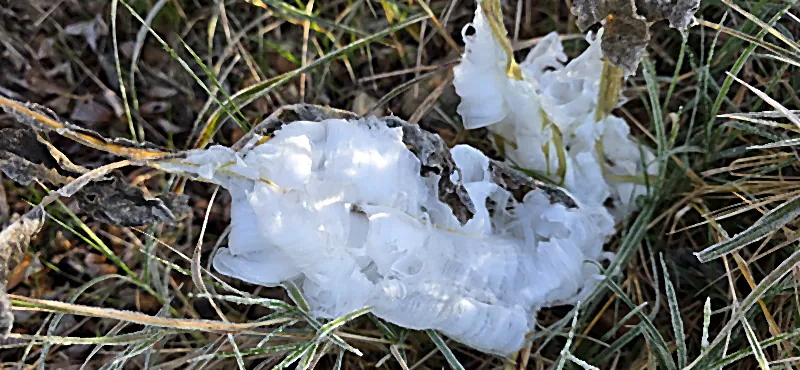
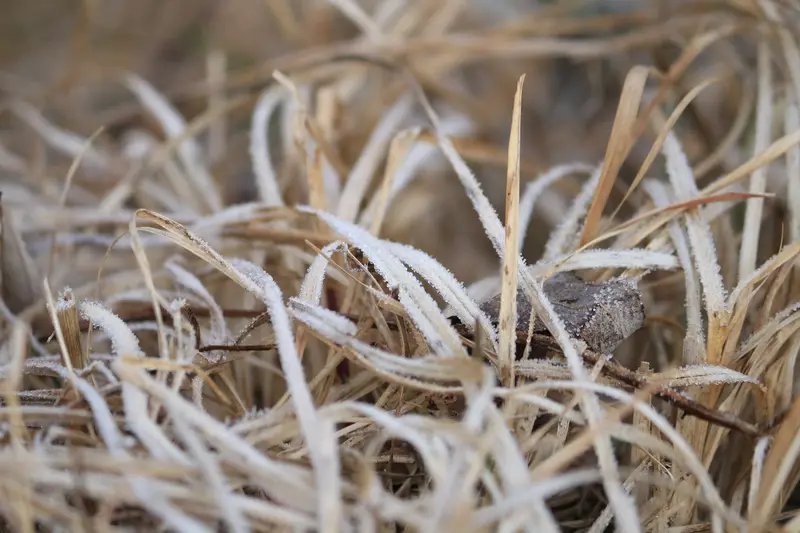
They look like spilled tissue paper or ribbon candy, and they melt by mid-morning. Frost flowers aren’t frost at all: the ice grows out of the stems of a few plants, frostweed above all, on the first hard freezes of fall.
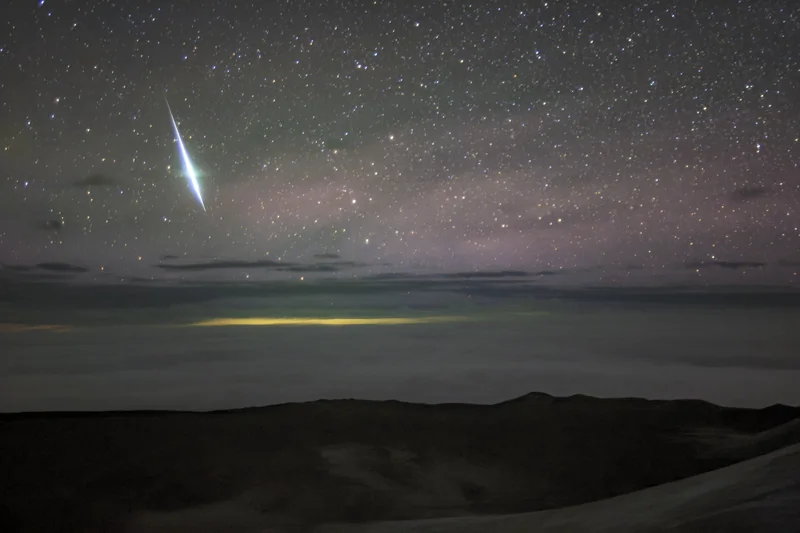
The year’s best meteor shower, the Geminids, peaks Dec. 13–14 under a mostly dark sky, and the speedy Leonids come first. Where meteors come from, why the hours before dawn bring the most, and how to watch from the Ozarks.
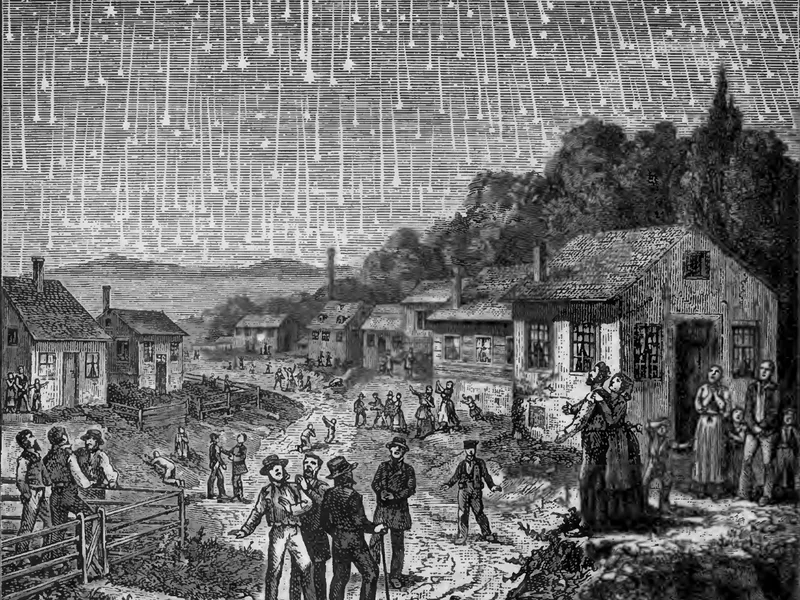
The Leonid storm of 1833 was so bright that a Kiowa camp in Oklahoma dated its history from it. Arkansas has 15 known meteorites, including one that fell at Fayetteville in 1934 and an 800-pound stone that woke Paragould in 1930.
Friday brought Northwest Arkansas its hardest freeze so far this season, about two weeks later than usual. Forecasters expect frost and freezing temperatures again Saturday morning, a chance of rain Sunday, and a warmer week after that.