‘Feeding hay like it’s wintertime’: what the drought is doing to Northwest Arkansas cattle farms
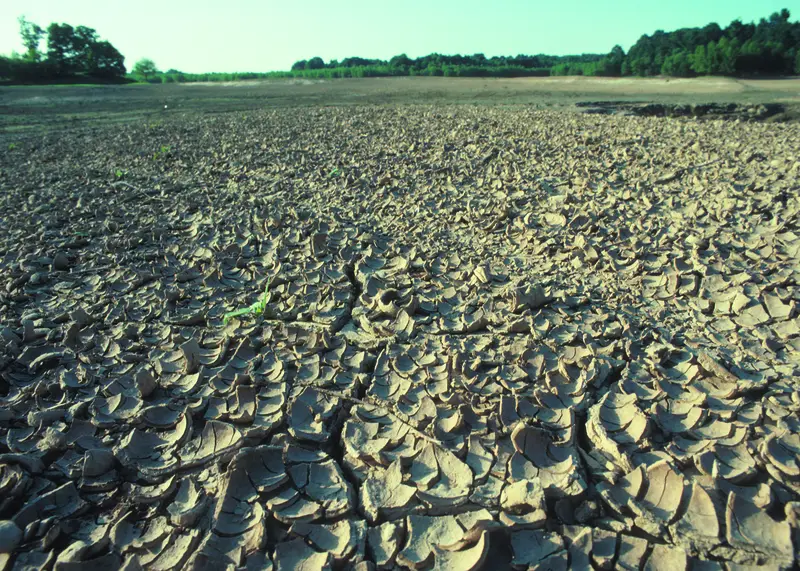
Pastures are burned up and ponds are drying in Arkansas’ top cattle counties. Here’s what that means for farmers, and a help deadline coming up Dec. 7.
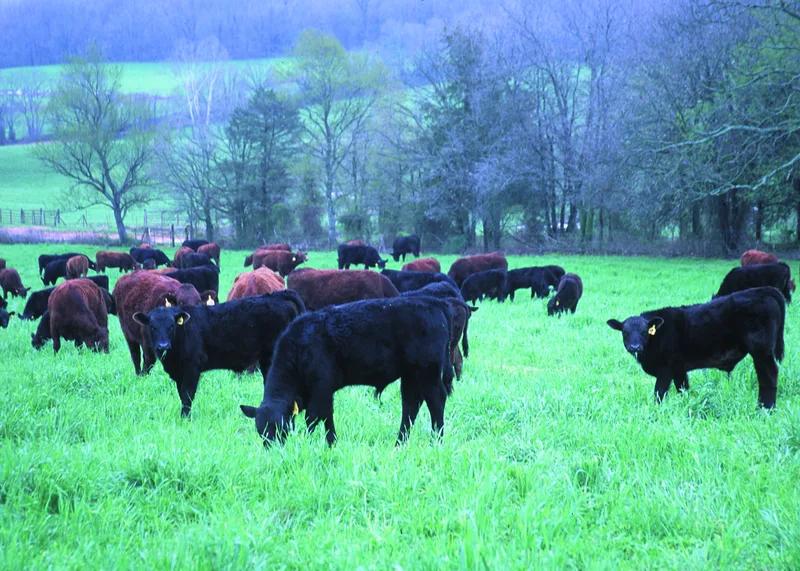
FAYETTEVILLE, Ark. — Most years, cattle farmers in Northwest Arkansas start feeding hay around Thanksgiving. This year, many started in August.
“We’re feeding hay like it’s wintertime,” Ronnie Horn, the Washington County extension agent, told 5NEWS in September. “I mean, it’s full feed.” Two months later, it still hasn’t rained enough to change that.
Cattle country: our counties lead Arkansas
Arkansas’ top 3 cattle counties(#) = rank among the state’s 75 counties
That matters a lot here. Washington, Benton and Carroll counties raise more cattle than any other counties in Arkansas, and Boone and Madison aren’t far behind. Together, the five counties have more than one of every five cattle in the state.
About 3 of every 4 pastures in poor shape
Poor or very poor: 76%
The grass is the problem. In the last weekly rating of the season, in late October, farm experts rated 3 of every 4 pastures in Arkansas poor or very poor. Many farmers got two cuttings of hay this year instead of the usual three, so there is less hay in the barn just as they need more of it.
Water is getting harder, too. Many stock ponds are very low or dry, and some farmers are hauling water or paying for city or rural water so their cattle have something to drink. “We are moving from just concerns with forage production to the availability of clean stock water,” said Jonathan Kubesch, a forage specialist with the University of Arkansas extension service.
Dry weather can also make some grass dangerous. When plants are stressed, they can store up nitrates, which can sicken or kill cattle. Horn said he has run more nitrate tests on hay and pasture this year than in the previous five years combined.
Hay costs more when everyone needs it at once. There is no hay price report just for Arkansas, but in southwest Missouri, average-quality hay was selling for about $35 to $50 a large round bale in mid-November. The Missouri report said farmers worry they “may not have enough hay” before winter is over. The extension service figures that at $50 a bale, feeding one cow hay runs about $70 a month.
At the sale barn: calves up, cull cows down
Selling some cows is one way to stretch the hay, but that pays less this year, too. At Arkansas sale barns last week, older cows sold for beef brought about 20% less than a year ago. Young calves are still bringing good money, a little more than last year.
Some help is out there, but it has deadlines. Because of the drought, farmers in our counties can apply for low-interest emergency loans from the USDA Farm Service Agency. To be safe, apply by Dec. 7. Farmers in Benton, Carroll, Madison and Washington counties also qualify under a second, later drought declaration that gives them until Dec. 24.
Farmers who lost grazing can also apply for drought payments. This year, Benton, Carroll and Washington counties qualify for the most the program pays, five months’ worth. Madison and Boone qualify for four. The deadline to apply is March 1.
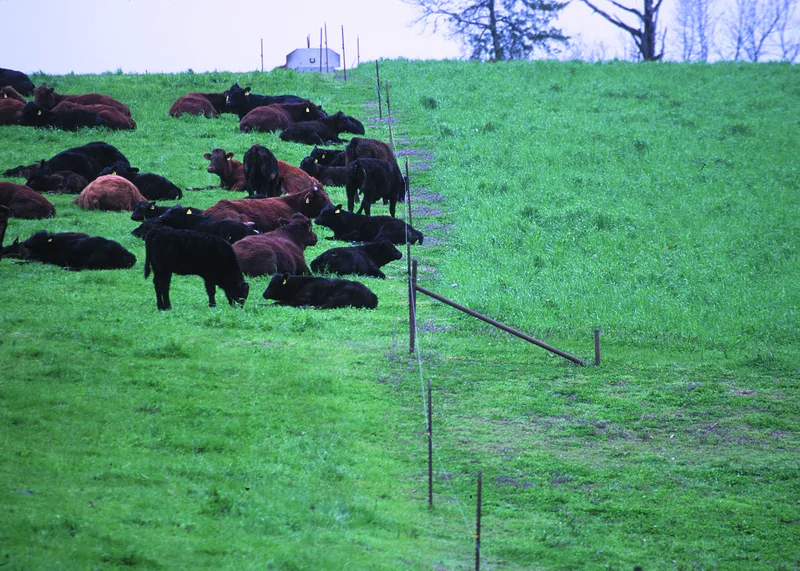
Extension agents say a few things help a farm get through: test hay and pasture before feeding it, keep cattle in one field while feeding hay so the other pastures can rest, and decide early which cows to sell, before they lose weight.
When will it end? Sunday’s rain helped some, but this drought has been building for more than a year, and experts say it will take several good rains to end it. Forecasters give Arkansas a better-than-usual chance of a wet winter. Until then, Horn’s advice from this fall still stands: plan for hay now, not later.
Spotted a mistake? Tell us. We fix errors in the open, on the corrections page.