Where do they go? Following Northwest Arkansas’s fall travelers south
Monarch butterflies bound for the mountains of Mexico, hummingbirds that may cross the Gulf of Mexico without a rest, and millions of birds flying over at night: the fall migration is passing right over our heads.
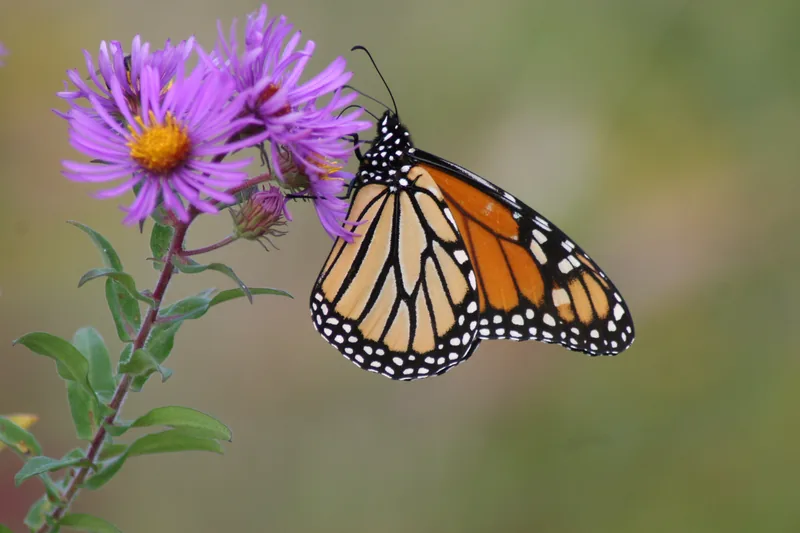
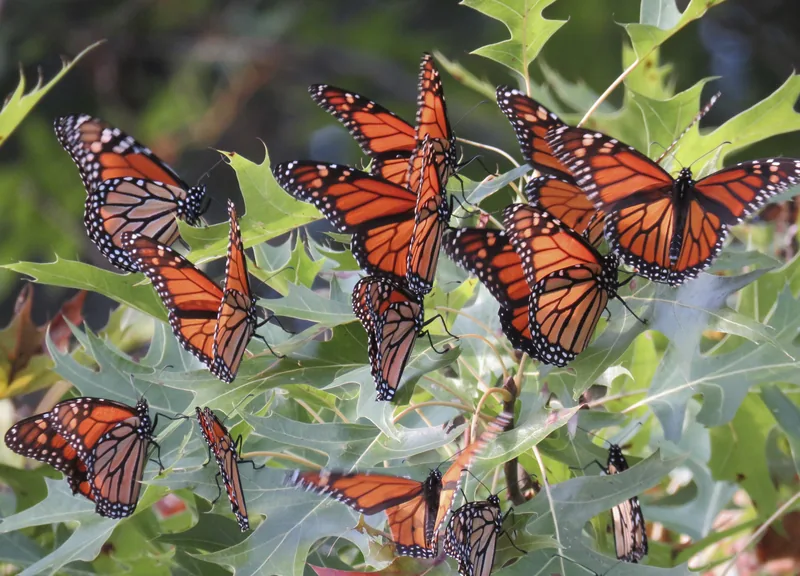
SPRINGDALE, Ark. — A monarch butterfly flapped south over Springdale on Monday, Nov. 9, weeks after most of its kind had passed through. It still has a long way to go. The monarchs that leave Northwest Arkansas each fall are headed for a handful of forested mountaintops in central Mexico, about 1,200 miles away in a straight line.
That butterfly is part of one of the biggest seasonal moves on the continent, and most of it happens overhead without anyone noticing. On the night of Sunday, Nov. 8, an estimated 3.4 million birds flew over Arkansas, according to BirdCast, which counts migrating birds with weather radar. At the peak, around 12:30 a.m. Monday, about 6.4 million were in the air over the state at once.
The monarchs passing through now belong to what is often called the super generation. Monarchs born in early summer live two to six weeks. The ones born in late summer can live up to nine months, long enough to fly to Mexico, wait out the winter and start the trip back north in the spring, according to the Arkansas Natural Heritage Commission.
A monarch weighs less than a gram, the U.S. Forest Service says. It travels 50 to 100 miles a day, flies only by day and roosts in trees at night. Some fly as far as 3,000 miles, and the record for a single day is 265 miles. From October to late March, the eastern monarchs pack into oyamel fir forests between about 7,900 and 11,800 feet up in the Mexican states of Michoacán and México.
In Arkansas, the fall flight peaks in late September and early October. Monarch Watch, a program at the University of Kansas, publishes peak dates by latitude, and for Springdale they fall around the last week of September and the first days of October. A monarch in November is late, but not unheard of: the Heritage Commission has documented monarchs breeding in Arkansas into early November.
Hummingbirds left earlier. Ruby-throated hummingbirds start heading south in late July, peak in September and are mostly gone from Arkansas by mid-October, with a few stragglers into November, according to the University of Arkansas Cooperative Extension Service. They spend the winter from Mexico to Costa Rica and Panama.
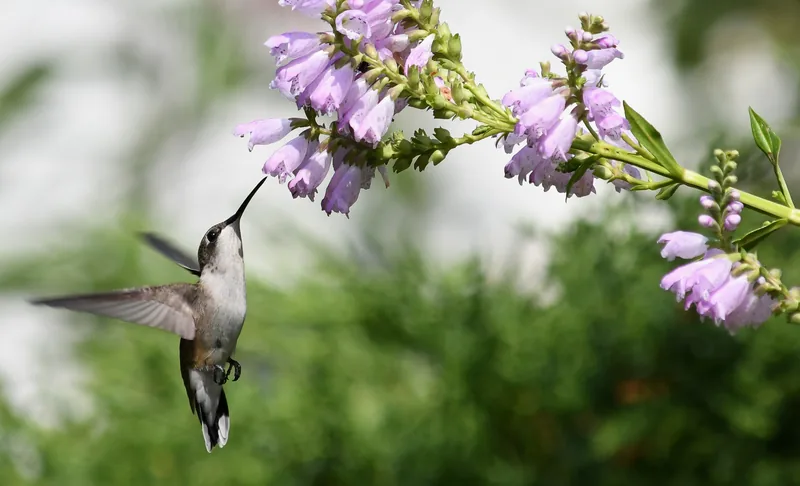
Getting there can mean the most daring flight of any bird in our backyards. Some ruby-throats cross the Gulf of Mexico nonstop, nearly 500 miles in 18 to 20 hours in good conditions, according to the Tennessee Wildlife Resources Agency. Many others take the long way around along the Texas coast, Audubon notes. They come back to Arkansas from mid-March to late April.
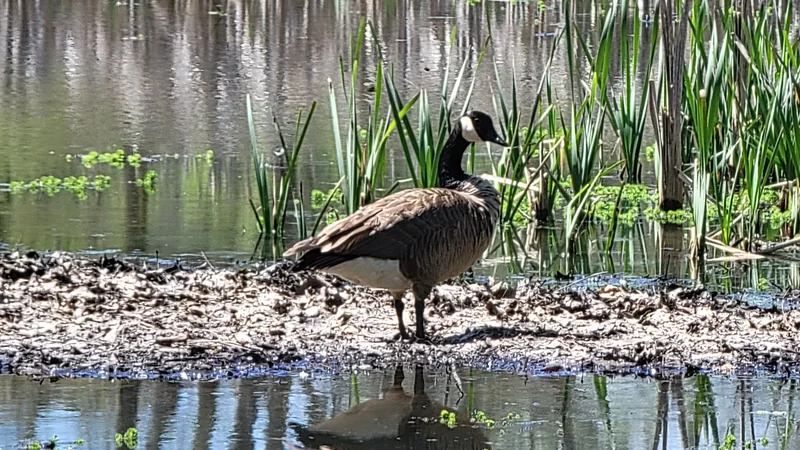
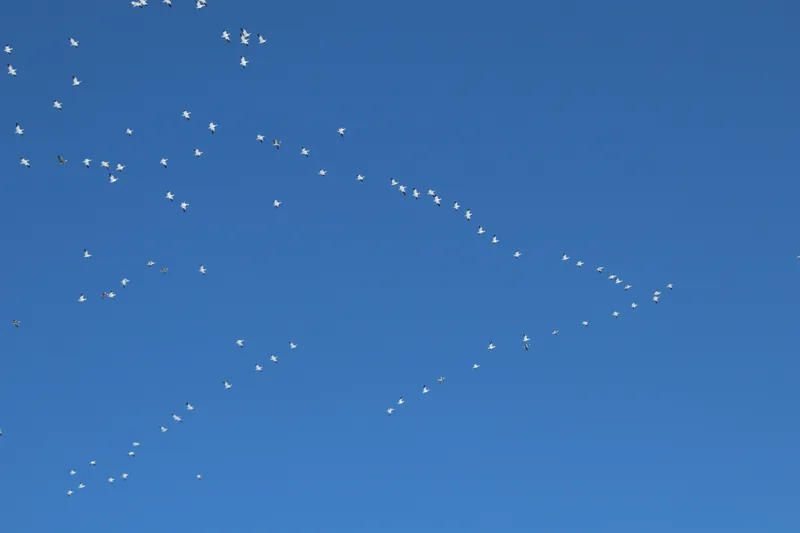
Not every goose in the sky is going anywhere. Arkansas’s giant Canada geese are mostly year-round residents, descended from 85 birds released near Clarksville in 1981, University of Arkansas researchers have reported. The high, noisy flocks that pass over in November and winter are more likely snow geese or greater white-fronted geese, which nest in the Arctic and spend the winter mainly in the rice country of east Arkansas and along the Gulf coast.
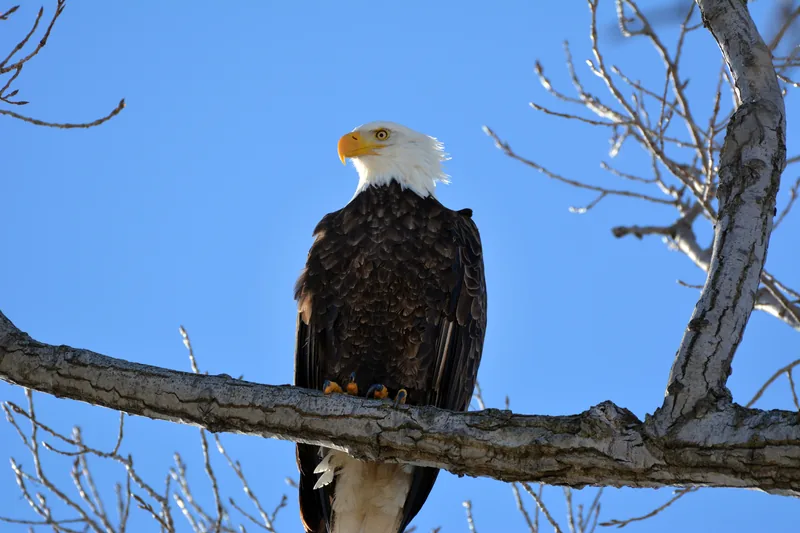
Some migrants are just arriving. Bald eagles come to Beaver Lake for the winter, and their numbers peak in January, when Army Corps of Engineers rangers count them for the National Midwinter Bald Eagle Survey. Hobbs State Park-Conservation Area runs eagle-watching cruises on the lake from November through February. Dark-eyed juncos, the small gray birds that show up under feeders, arrive around October and stay until about April.
The night flights are winding down. BirdCast tracks fall migration from Aug. 1 to Nov. 15, and the biggest nights are behind us. Nationwide, its radar counts have topped a billion birds in the air on a single night in recent years.
There are simple ways to help. The monarchs’ caterpillars eat only milkweed, so native milkweed in a yard or field helps the next generation, and fall flowers such as asters and goldenrod fuel the trip south. Monarch sightings can be reported to Journey North, which maps the migration from people’s reports, and birds of any kind to eBird.
The trip reverses in spring. The monarchs’ children and grandchildren pass back through Arkansas in April and May, and the first ruby-throats are usually back at feeders by late March.
Spotted a mistake? Tell us. We fix errors in the open, on the corrections page.