What the research says about marijuana and the teenage brain
Federal health agencies and decades of studies point to real risks for young users, though scientists still debate how much is cause and how much is circumstance.
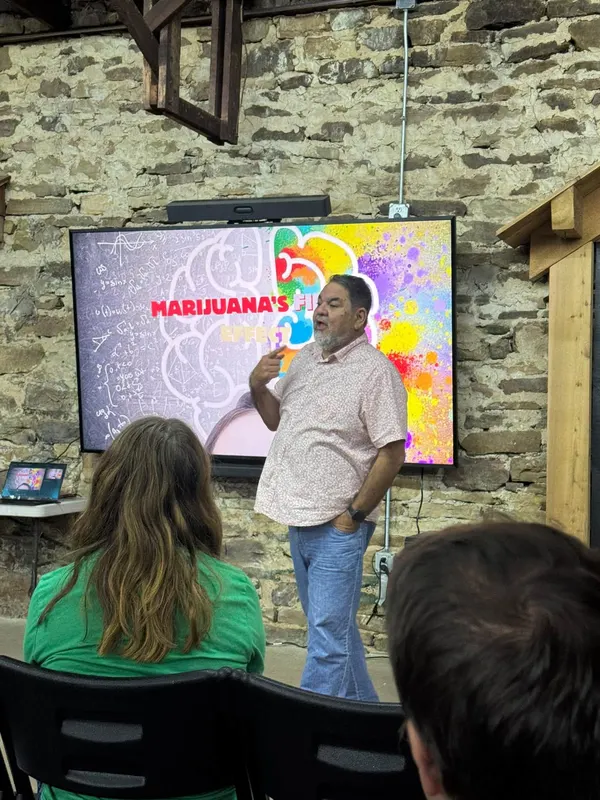
HUNTSVILLE, Ark. — When speaker Ray Lozano told Madison County families last month that marijuana can affect the developing brain, he was making a point that federal health agencies have pressed for years. Here is what the research shows, and where scientists say questions remain.
The Centers for Disease Control and Prevention says the teen brain is actively developing and continues to develop until around age 25. The agency lists difficulty keeping attention, problems with memory and learning, and trouble with problem-solving among the effects of cannabis use in adolescence and young adulthood.
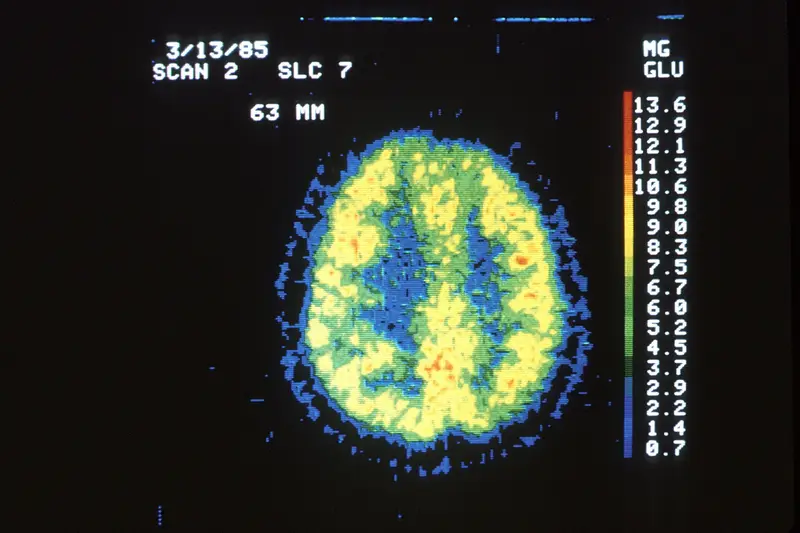
In 2019, then-Surgeon General Jerome Adams issued an advisory on marijuana and the developing brain. It said frequent use during adolescence is associated with changes in the areas of the brain involved in attention, memory, decision-making and motivation, and that deficits in attention and memory have been found in teens who use marijuana even after a month without it. “No amount of marijuana use during pregnancy or adolescence is known to be safe,” the advisory said.
Today’s marijuana is also much stronger than it once was. The National Institute on Drug Abuse says the THC strength of illegal cannabis seized by law enforcement rose from 3.96% in 1995 to 16.14% in 2022, and that flower and concentrates sold in dispensaries can top 40% THC. In the 2024 National Survey on Drug Use and Health, 39.1% of teens 12 to 17 who used marijuana in the past year ate or drank it, and 17% dabbed waxes, shatter or other concentrates.
Addiction is a real risk. The CDC estimates that about 3 in 10 people who use cannabis have cannabis use disorder, and says the risk is higher for people who start young and use often. NIDA says using at a younger age in particular raises the chance of developing the disorder later in life.
One of the most cited studies followed 1,037 people in Dunedin, New Zealand, from birth in 1972 and 1973 to age 38. Researchers tested them at 13, before any marijuana use, and again at 38. People who used marijuana persistently showed declines across several areas of mental functioning, the study published in the Proceedings of the National Academy of Sciences in 2012 found. The decline was concentrated among those who began using as teenagers, and quitting did not fully restore what was lost.
Not every study agrees on cause and effect. A 2016 study of two groups of adolescent twins, 789 and 2,277 young people, found that teens who used marijuana scored lower on intelligence tests, but their scores did not drop more than those of their twin siblings who did not use. The authors concluded that the lower scores may stem from family factors rather than marijuana itself. The Surgeon General’s advisory acknowledged that more research is needed, but said “we know enough now to warrant concern and action.”
Mental health is another concern. A 2019 study in The Lancet Psychiatry, comparing 901 patients with a first episode of psychosis at 11 sites in Europe and Brazil with 1,237 people from the same areas, found daily cannabis users had about three times the odds of a psychotic disorder as people who had never used it, and nearly five times the odds for daily use of high-potency cannabis. A 2019 review in JAMA Psychiatry pooling 11 studies of 23,317 people found that teens who used cannabis had higher odds of depression and suicide attempts as young adults, though the authors noted the risk for any one person remains moderate to low.
Marijuana use also tracks with trouble at school. The CDC says teens who use cannabis are more likely to drop out of high school or not finish college. In the 2025 Arkansas Prevention Needs Assessment, 8.7% of students making mostly D’s or F’s said they had used marijuana in the past 30 days, compared with 2.1% of students making mostly A’s. The survey shows a link, not which causes which.
Most Arkansas teens do not use marijuana. In the fall 2025 survey of 44,464 students, 2.4% of eighth graders, 5.6% of 10th graders and 8.3% of 12th graders reported use in the past 30 days, all below national figures. But fewer older students see a danger: 20.2% of seniors said trying marijuana once or twice carries “great risk,” and 30.1% said the same of regular use, compared with 39% of seniors nationally.
The Surgeon General’s advisory urged parents, schools, health professionals and local leaders to make sure young people hear the facts. For a mental health or substance use crisis, the 988 Suicide & Crisis Lifeline takes calls and texts at any hour, and the Madison County Health Coalition lists local help on its website.
Spotted a mistake? Tell us. We fix errors in the open, on the corrections page.