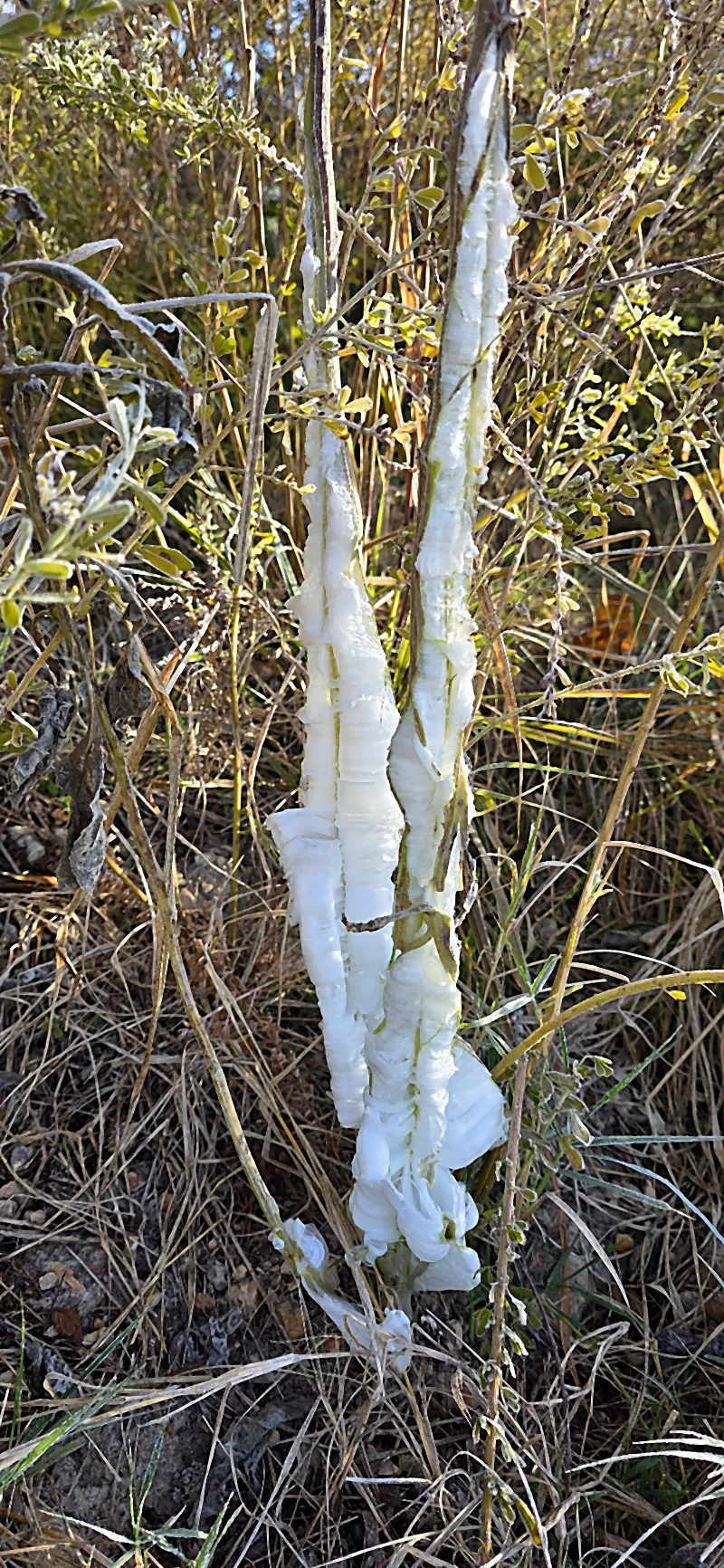
Frost flowers: the ice ribbons that grew out of roadside weeds on Saturday’s 24-degree morning
They look like spilled tissue paper or ribbon candy, and they melt by mid-morning. Frost flowers aren’t frost at all: the ice grows out of the stems of a few plants, frostweed above all, on the first hard freezes of fall.
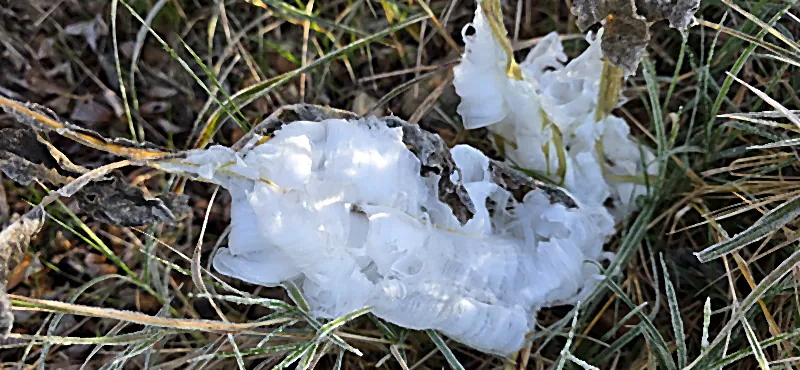
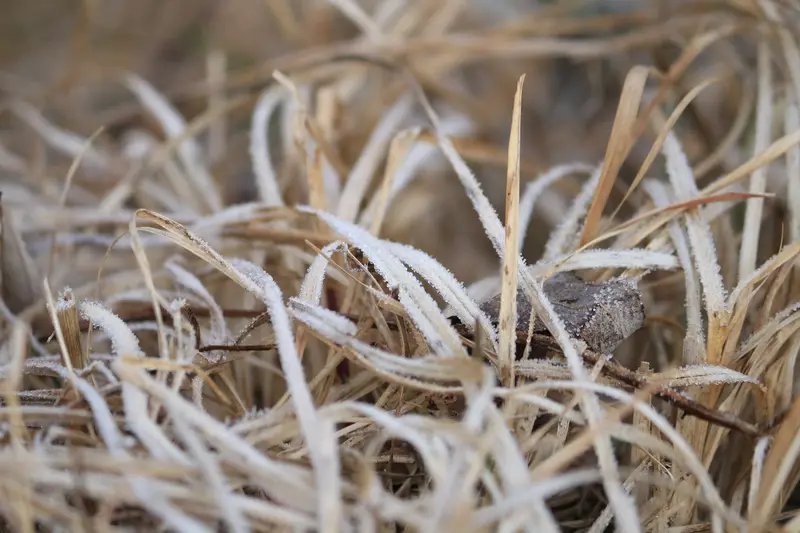
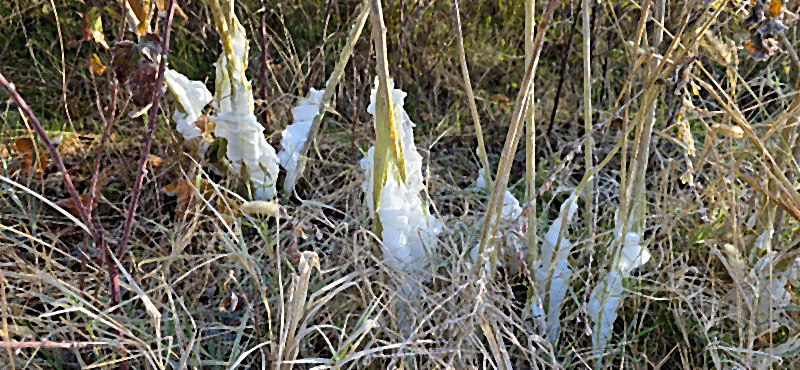
NORTHWEST ARKANSAS — Along Arkansas Highway 21 on Saturday morning, the ditches looked as if someone had stuffed white tissue paper around the bottoms of the weeds. Up close, the white was ice: thin ribbons, curled and folded in layers, growing straight out of the dead stems. It was 24 degrees where an NWA News editor stopped to photograph them, and the National Weather Service office in Tulsa had a freeze warning out for Carroll, Madison, Boone and Washington counties until 9 a.m.
They are called frost flowers, though they aren’t frost and they aren’t flowers. Gerald Klingaman, writing for the University of Arkansas extension service, lists the other names people use for them: frost ribbons, ice flowers and rabbit ice. James R. Carter, a retired Illinois State University geographer who has spent years documenting them, says no one agrees on a name.
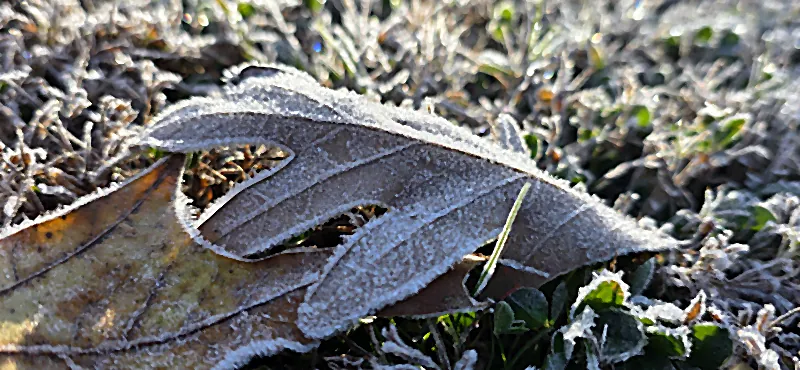
Ordinary frost grows from the air. Water vapor turns straight to ice on grass and leaves, the way it coated the fallen oak leaves on the same Saturday morning. Frost flowers grow from the ground up. Water travels up a plant’s stem from soil that hasn’t frozen yet, and when it reaches the freezing air at the surface of the stem it turns to ice. More water follows and freezes behind it, pushing the earlier ice outward. Carter calls the process ice segregation. The ice doesn’t squeeze out of the stem already frozen, he writes; water comes out and becomes ice right at the surface.
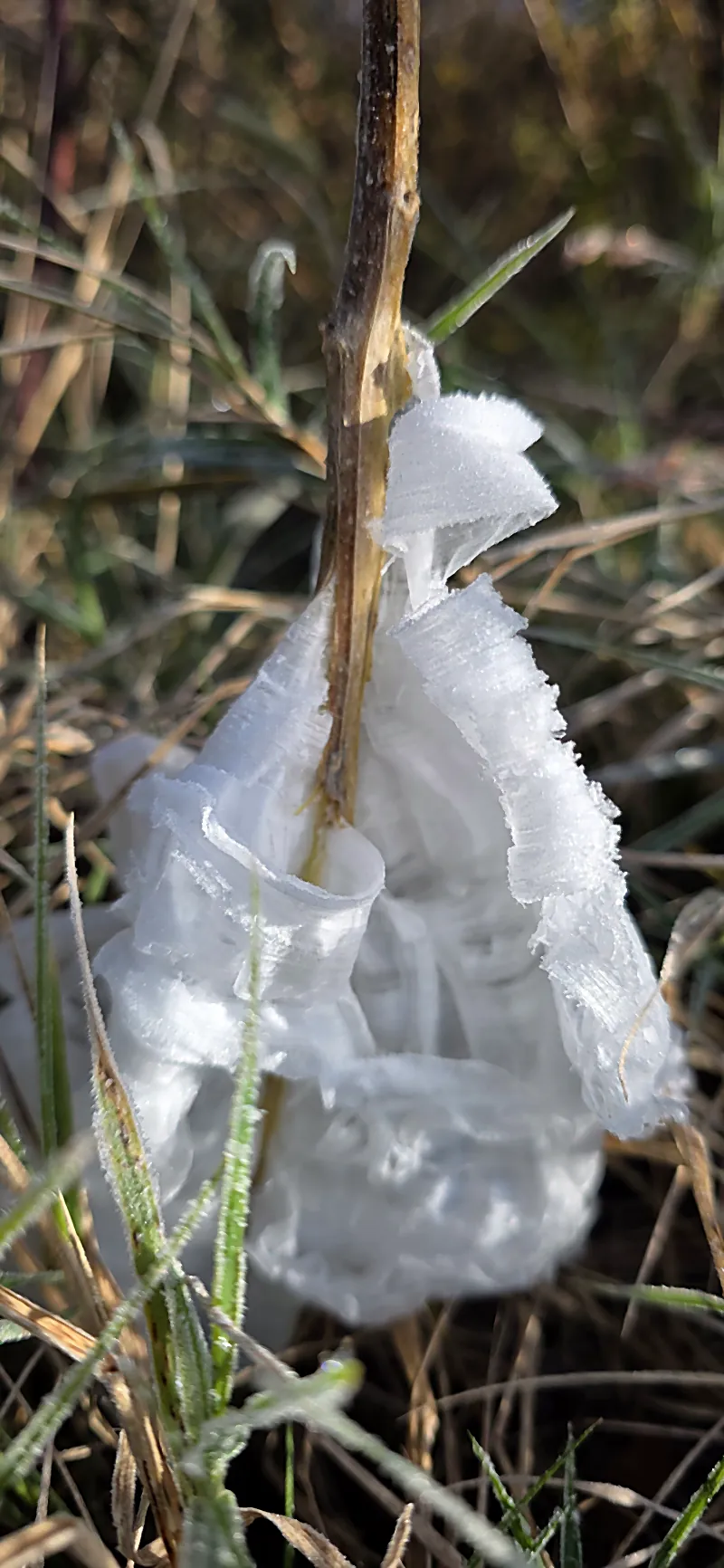
That is why the ribbons look the way they do. Each new layer of ice pushes the older layers out, so a ribbon builds up in thin sheets with fine lines running across them. When a ribbon runs into something, Carter writes, the ice keeps coming and folds back and forth “similar to ribbon candy.” Sheets coming from different sides of the stem join and twist together, and some curl into scrolls.
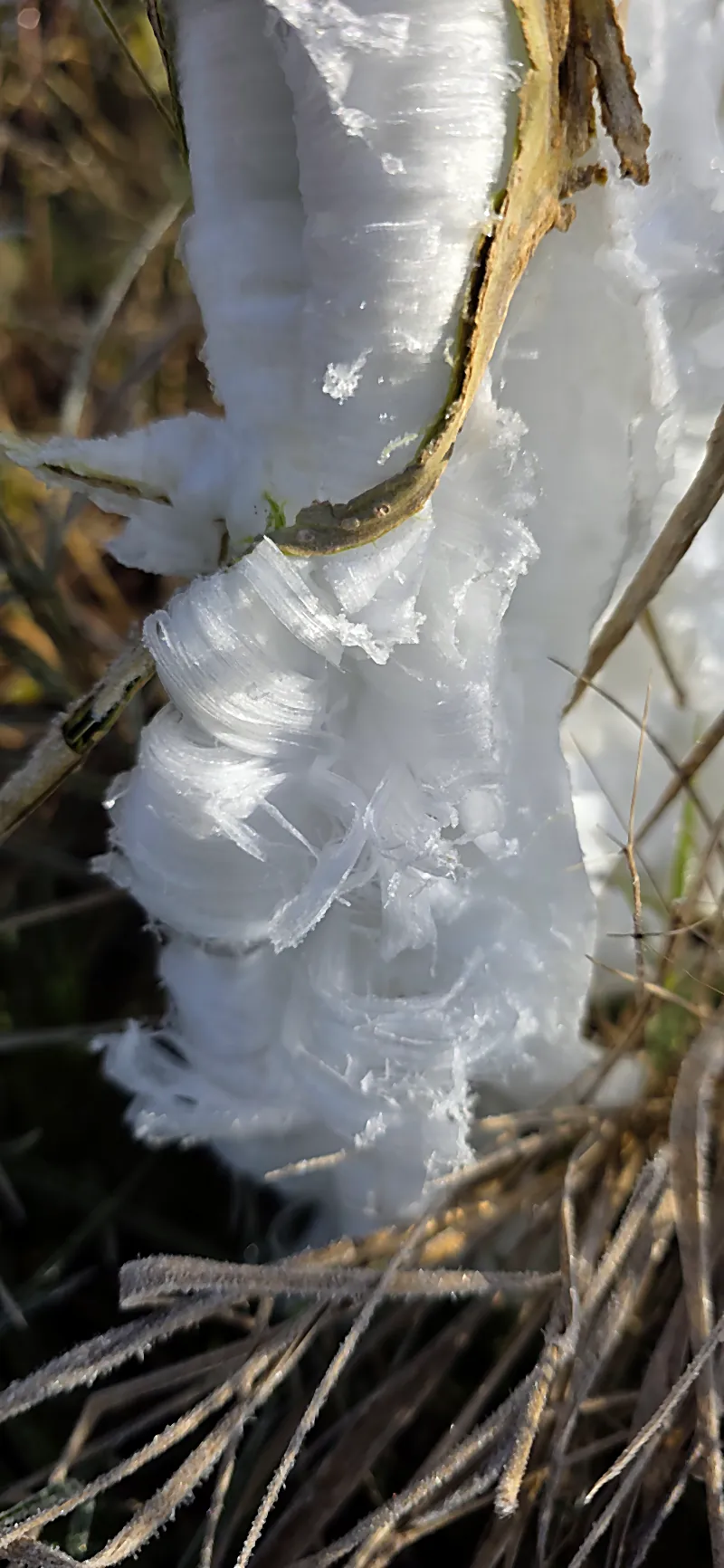
Only a few plants do it. Carter says the two most common in North America are dittany, a low, wiry, mint-family plant of dry Ozark hillsides, and frostweed, also called white crownbeard (Verbesina virginica). Frostweed is a tall native plant, up to about seven feet, with flat “wings” of leaf tissue running down its stems and clusters of small white flowers from August to October, according to the Missouri Department of Conservation. It grows along stream banks, at the foot of bluffs, in pastures and woods, and along roadsides. Carter notes that many people in Arkansas, Missouri and Tennessee report finding frost flowers on it.
The tall, single-stalked plants with dark, frost-curled leaves along Highway 21 fit that description, though NWA News did not see them in bloom to confirm what they were.
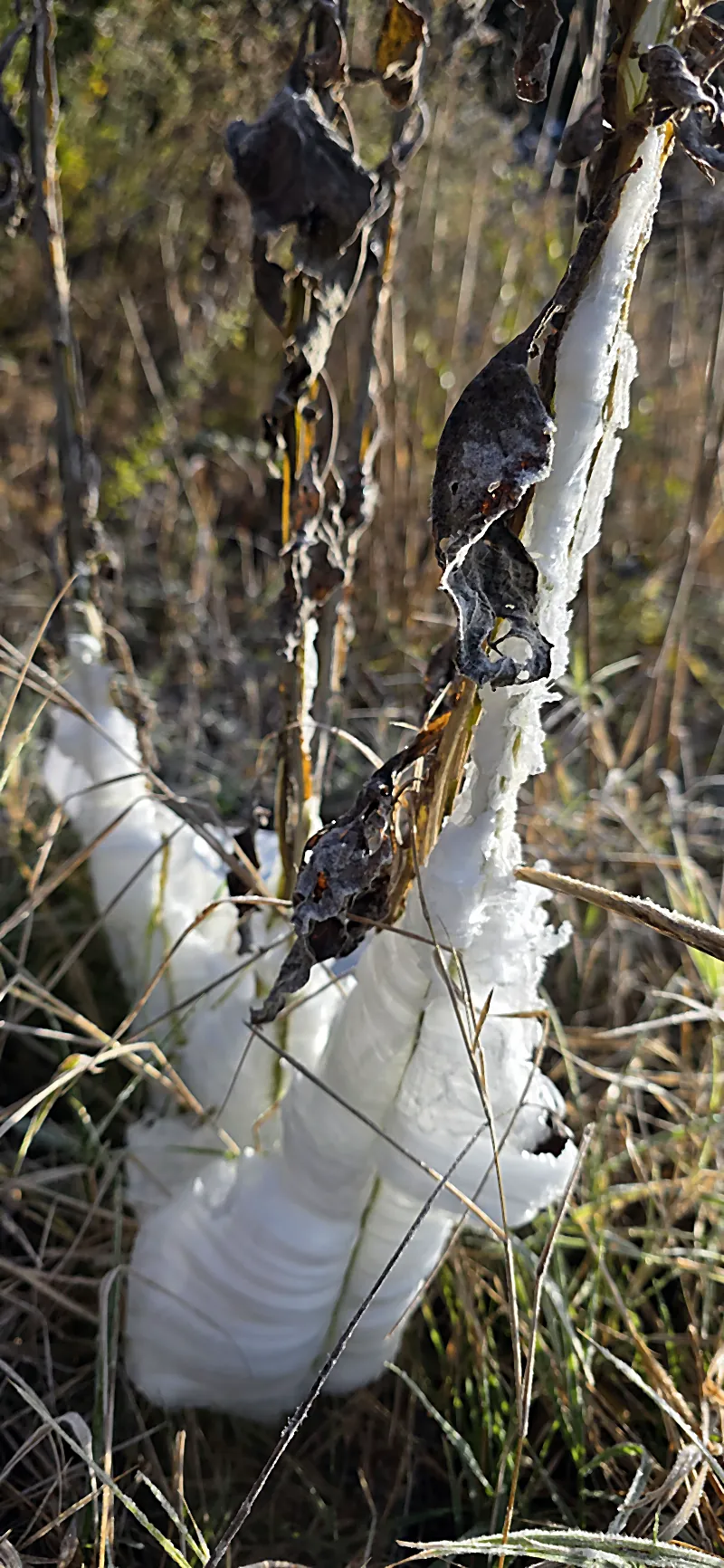
Frost flowers need a particular kind of night. Klingaman writes that they appear on cold, clear nights, most often in low, sunny spots along streams and roadside ditches, and that the soil has to have plenty of moisture. The Missouri Department of Conservation says they usually follow sudden, sharp drops in temperature on the first freezing nights of late fall. The U.S. Forest Service adds that the air has to be below freezing while the soil is still warm enough to move water into the stems.
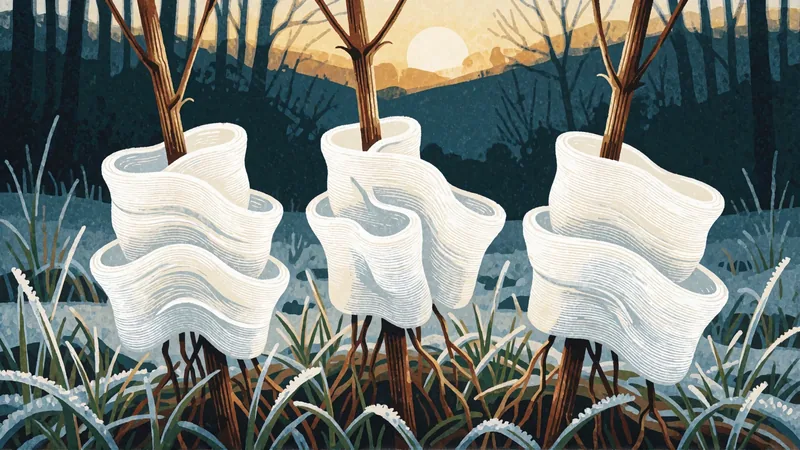
They don’t last. In the sun they shrink and vanish as the morning warms, and the conservation department says they are usually gone well before noon. Spots in the shade keep them longer.
The same stems can do it again. Carter saw ice grow on the same plants in his yard at least 20 times in one cold season. Early in the season he has seen the ice climb as much as 30 inches up a stem; later formations get smaller and form lower, near the ground. Bob Harms, a botanist at the University of Texas at Austin, recorded more than a dozen on one frostweed plant between late December and early March. Klingaman says the ribbons usually cover the bottom six to eight inches of a stem and sometimes reach 18 to 24 inches.
The best time to look is right after sunrise on the next hard freeze. Check roadside ditches, fence lines, creek bottoms and the edges of woods for tall, dead stems, and look at the base. If you pull off a road to look, the conservation department asks people to find a safe place to park and to get the landowner’s permission before walking onto private land.
Spotted a mistake? Tell us. We fix errors in the open, on the corrections page.