Thanksgiving: How it started, and Arkansas’ place at the table
A three-day harvest gathering in 1621 took more than 300 years to become a fixed national holiday. Today Arkansas ranks third in the nation for turkeys, and Butterball processes them in Huntsville and Ozark.
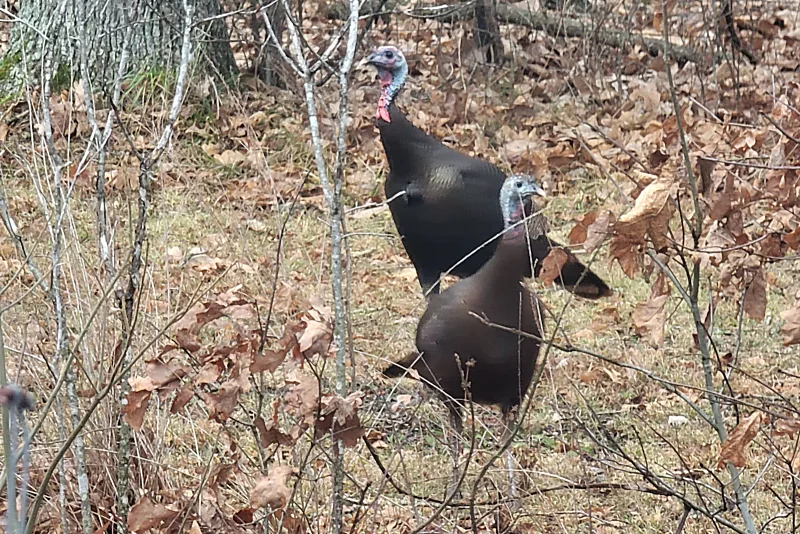
HUNTSVILLE, Ark. — Thanksgiving falls on Nov. 26 this year, the same date George Washington picked for the country’s first national day of thanksgiving under the Constitution in 1789. The road from a 1621 harvest gathering to a fixed national holiday took more than three centuries, a magazine editor’s long campaign and an act of Congress. Many of the turkeys on the table come from Arkansas, which raised more than 21 million of them last year.
In the fall of 1621, English colonists at Plymouth, in what is now Massachusetts, held a harvest celebration after bringing in their first crops. The only eyewitness account that survives is a December 1621 letter by colonist Edward Winslow, printed in London in 1622 in a pamphlet known today as Mourt’s Relation, according to Plimoth Patuxet Museums. Winslow wrote that the governor sent four men “on fowling” and that many Native people came, “among the rest their greatest king Massasoit, with some ninety men, whom for three days we entertained and feasted.” The Wampanoag men went out and killed five deer, which they gave to the colony’s leaders.
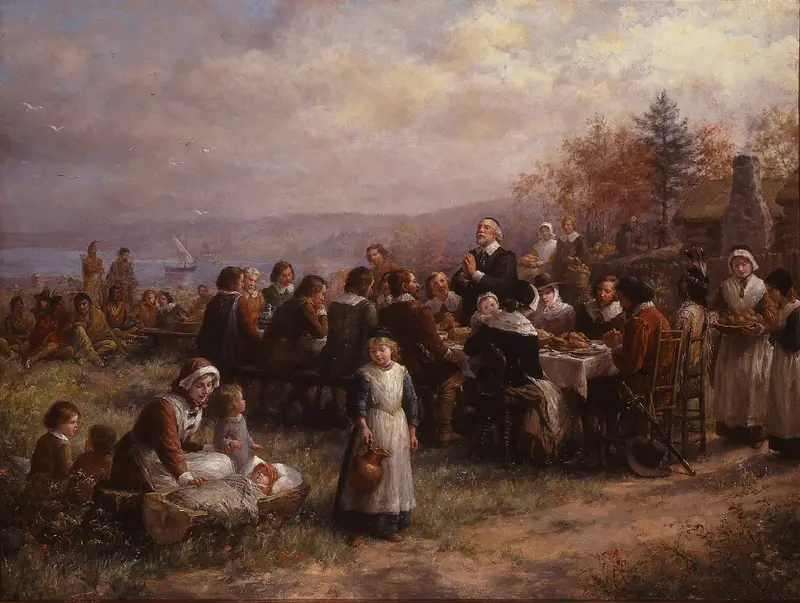
Massasoit, also known as Ousamequin, was a Wampanoag leader, and earlier that year his people and the colonists had agreed to come to each other’s aid if attacked, Smithsonian magazine reported. Both sides had suffered heavy losses. Nearly half of the settlers died during their first winter, and from 1616 to 1619, diseases brought by Europeans killed up to 90% of New England’s Native population. Historians at Plimoth Patuxet and Pilgrim Hall Museum describe the gathering as a diplomatic event that helped cement a new alliance. Of the 102 Mayflower passengers, about half were still alive that fall, and Plimoth Patuxet says Wampanoag women and children may also have been present even though Winslow mentions only men.
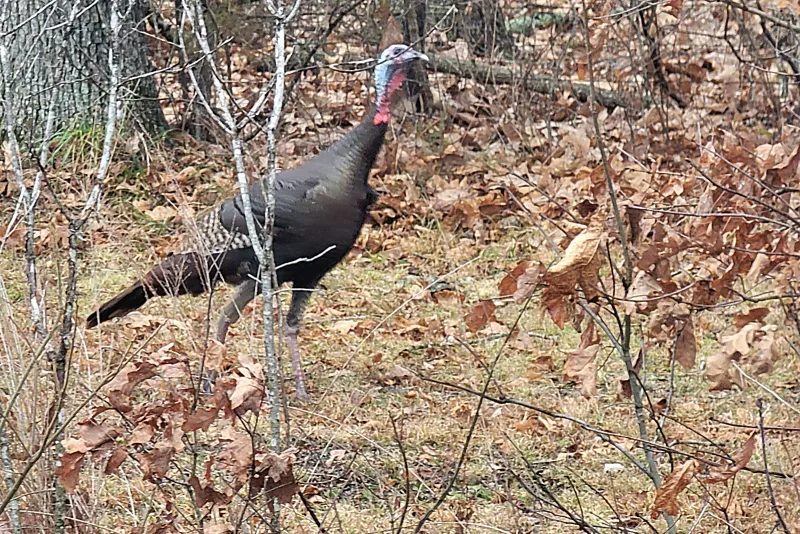
The menu looked little like today’s. Kathleen Wall, a foodways culinarian at Plimoth Patuxet, told Smithsonian magazine that wildfowl, corn and venison are the only “absolutes.” Plymouth Gov. William Bradford wrote of a “great store of wild turkeys” that fall, but Winslow does not mention turkey, and Wall suspects goose or duck was the main bird. Eels and shellfish were likely served. Potatoes, pies and cranberry sauce were not: the colonists had no butter or wheat flour for crusts, and potatoes had not yet reached the region.
Neither Winslow nor Bradford called the event a thanksgiving. Both the Wampanoag and the English already had their own traditions of giving thanks, from Wampanoag harvest ceremonies to English days of prayer. The label came in the 19th century, after Boston clergyman Alexander Young reprinted Winslow’s letter and, in a footnote, declared the feast the first Thanksgiving, according to Smithsonian magazine. Plimoth Patuxet staff still prefer to call it “the harvest celebration in 1621.”
Early presidents proclaimed days of thanksgiving on their own schedules. After Washington’s 1789 proclamation, dates varied, even falling in February 1795 and April 1815, according to the National Archives. By the 1850s most states and territories held a Thanksgiving, but each set its own day.
Sarah Josepha Hale, the editor of Godey’s Lady’s Book and author of “Mary Had a Little Lamb,” spent decades pushing for one national date. The National Park Service says she began writing essays calling for the holiday in 1827 and launched a letter-writing campaign in 1846, while filling her magazine with Thanksgiving recipes and menus. On Sept. 28, 1863, she wrote to President Abraham Lincoln asking him to have the “day of our annual Thanksgiving made a National and fixed Union Festival.” The letter is held in Lincoln’s papers at the Library of Congress.
Five days later, on Oct. 3, 1863, months after the Union victory at Gettysburg, Lincoln issued a proclamation inviting Americans to “set apart and observe the last Thursday of November next, as a day of Thanksgiving and Praise.” It also asked them to remember “all those who have become widows, orphans, mourners or sufferers in the lamentable civil strife.” Secretary of State William Seward wrote the text, according to the Park Service, which calls the proclamation the beginning of the national holiday. Later presidents, for the most part, kept the last Thursday of November.
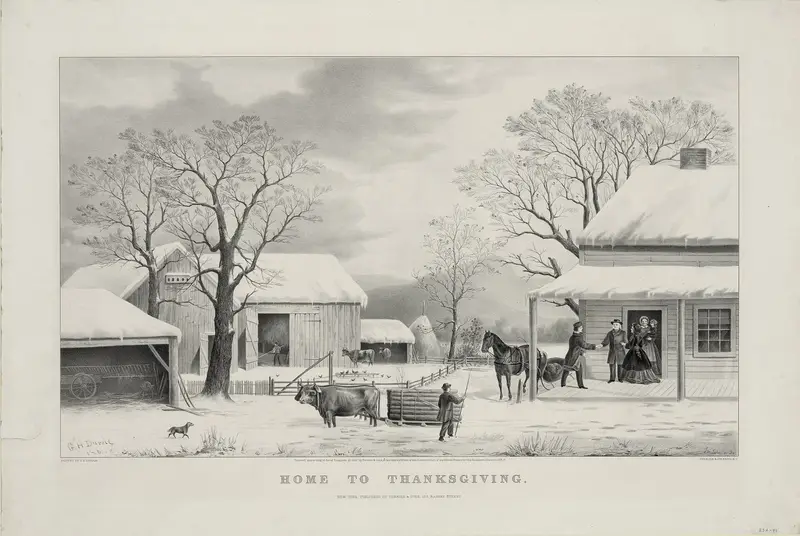
That tradition ran into the Great Depression. November 1939 had five Thursdays, putting Thanksgiving on Nov. 30, and retailers worried about a short Christmas shopping season. President Franklin D. Roosevelt moved the holiday up a week to Nov. 23. Critics called it “Franksgiving,” and states split: some governors kept Nov. 30, and Texas, Colorado and Mississippi observed both dates, according to the National Archives. Calendar makers and schools with Thanksgiving football games were caught in the middle, the Franklin D. Roosevelt Presidential Library says. For two years, the country celebrated on two different days.
Congress settled it in 1941. The House passed a resolution in October making the last Thursday in November a legal holiday, and the Senate changed it to the fourth Thursday to account for years when November has five. Roosevelt signed it on Dec. 26, 1941, and the law took effect the next year, according to the National Archives.
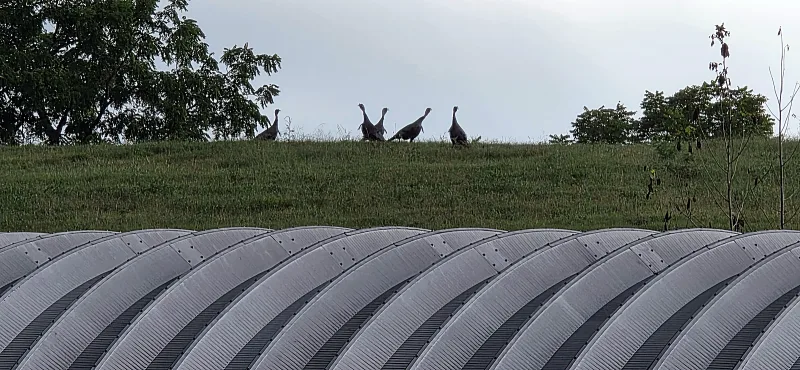
Arkansas’ part in the modern holiday comes on the farm and in the processing plant. The state raised 21.5 million turkeys in 2025, third behind Minnesota and North Carolina, according to the U.S. Department of Agriculture’s National Agricultural Statistics Service, which forecasts 21 million for 2026 out of about 199 million nationwide. Arkansas’ 2025 turkeys weighed in at 389 million pounds and were valued at $349.5 million, up from $287.5 million in 2024 even though the state raised fewer birds. Poultry is Arkansas’ largest agricultural sector, according to the state Department of Agriculture.
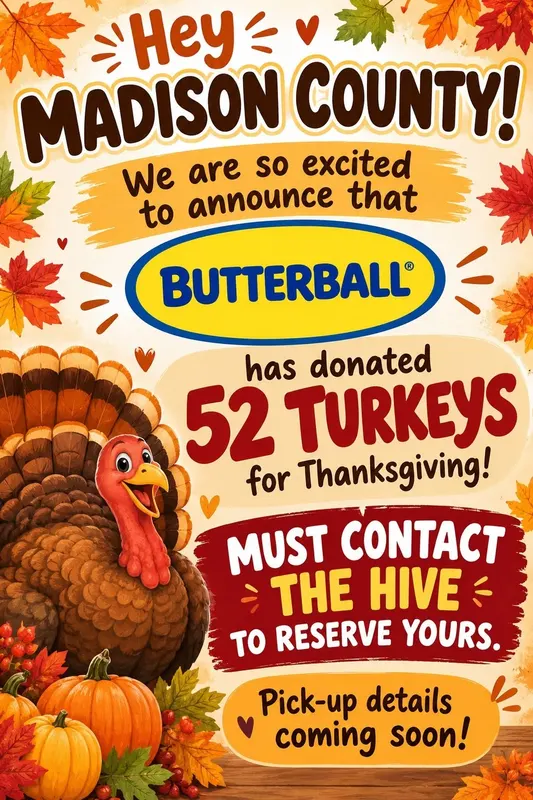
Butterball, based in Garner, North Carolina, lists two Arkansas production plants: Huntsville, which makes prepackaged fresh, frozen and cooked whole turkeys along with breasts, roasts and tray packs, and Ozark, which makes prepackaged fresh and frozen turkeys. The company says it closed its Jonesboro further-processing plant in 2025 and sold it in June 2026. In 2024, Poultry Federation president Marvin Childers said every whole Butterball turkey sold in the United States during the holidays is processed in Arkansas. Butterball donated 58,000 pounds of turkey products to three Arkansas food banks in 2025, the state said, and this month it gave 52 turkeys for Madison County families through The Hive.
Spotted a mistake? Tell us. We fix errors in the open, on the corrections page.